
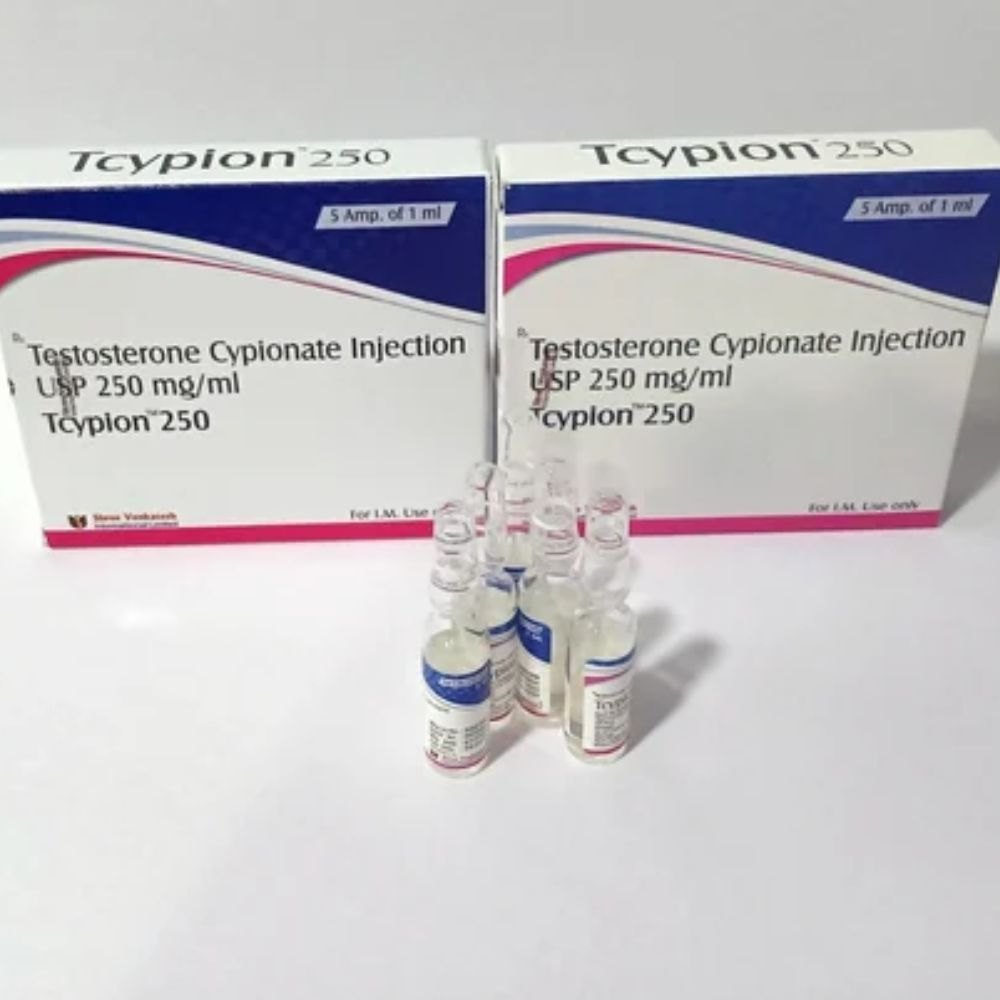
Testosterone cypionate is a prescription testosterone medicine used in certain circumstances when medically appropriate. In the United Kingdom, testosterone replacement is generally considered a clinical treatment rather than an ordinary consumer product. Understanding how testosterone cypionate works, why quality matters, and how UK regulations affect access can help people make informed decisions and avoid potentially dangerous products testosterone cypionate uk.
What Is Testosterone Cypionate?
Testosterone cypionate is a long-acting ester of testosterone. After administration, the ester is gradually broken down, releasing testosterone into the body. Testosterone is an important hormone involved in maintaining muscle mass, bone health, red blood cell production, libido, and other physiological functions.
Although testosterone has legitimate medical applications, it is not suitable for everyone. Symptoms such as tiredness, reduced sexual desire, mood changes, or reduced muscle strength can have many possible causes. A healthcare professional normally considers symptoms alongside medical history and appropriate laboratory testing before deciding whether testosterone treatment is warranted.
Why Product Quality Matters
Quality is one of the most important considerations when discussing testosterone medicines. Pharmaceutical products are manufactured under controlled conditions and undergo testing intended to confirm their identity, strength, purity, and consistency.
By contrast, products advertised through unofficial websites or informal sellers may have uncertain origins. A product presented online as “testosterone cypionate for sale” may not necessarily contain the stated ingredient or concentration. Counterfeit or improperly manufactured medicines can create serious risks, particularly when the contents, sterility, or dosage are unknown.
Packaging alone should not be considered proof of authenticity. Professional medical and pharmacy channels provide important safeguards that informal purchasing cannot reliably provide.
Understanding Testosterone Treatment in the UK
Testosterone treatment in the UK is generally approached through medical assessment and prescribing. A clinician may investigate symptoms, review relevant medical history, and request testosterone measurements or other tests before making a treatment decision.
The purpose of this process is not simply to determine whether someone wants higher testosterone levels. It is intended to establish whether there is a clinically appropriate reason for treatment and whether the potential benefits outweigh the risks.
Treatment may also require ongoing monitoring. Depending on the individual circumstances, clinicians can assess testosterone levels and monitor other health markers during therapy. This helps identify unwanted effects and determine whether treatment remains appropriate.
The Difference Between Medical Treatment and Online Sales
Internet searches can produce many pages offering testosterone products, sometimes using phrases such as “testosterone cypionate for sale.” However, the appearance of a product on a website does not establish that it is legally supplied, medically appropriate, or genuine.
Consumers should be particularly cautious when a seller promises unusually low prices, makes unsupported claims about guaranteed results, avoids questions about prescriptions, or provides little information about manufacturing and regulatory standards.
A legitimate healthcare pathway is designed around the patient’s health rather than simply completing a transaction. That distinction is especially important with hormone medicines because inappropriate use can produce significant effects throughout the body.
Potential Benefits and Medical Considerations
For people with medically confirmed testosterone deficiency, appropriately prescribed testosterone treatment may help address certain symptoms associated with low testosterone. Possible improvements can include better sexual function, increased energy, improved muscle maintenance, and changes in bone health, although individual responses vary.
Treatment is not automatically beneficial simply because testosterone levels are increased. Excessive or inappropriate testosterone exposure can cause problems, and the appropriate treatment plan depends on the patient’s circumstances.
People considering testosterone therapy should therefore discuss expectations with a qualified healthcare professional rather than relying on claims made by online sellers or promotional content.
Possible Risks and Side Effects
Testosterone therapy can produce unwanted effects. Depending on the individual and treatment circumstances, these can include acne, oily skin, changes in mood, fluid retention, changes in red blood cell levels, and suppression of the body’s natural testosterone production.
Testosterone can also affect fertility because external testosterone may reduce the hormonal signals required for sperm production. This is an important consideration for people who are planning to have children.
Other health considerations can include cardiovascular risk factors, prostate-related concerns, sleep-related conditions, and interactions with existing medical issues. This is why professional assessment and monitoring are important parts of responsible treatment.
Why Self-Medication Can Be Problematic
Using testosterone without appropriate medical supervision can make it difficult to determine whether symptoms are actually caused by testosterone deficiency. It can also complicate the interpretation of blood tests and potentially expose someone to unnecessary hormonal effects.
Another concern is dosing. Online discussions frequently provide simplified schedules that do not account for individual differences, medical history, laboratory results, or treatment objectives. A dosage appropriate for one patient cannot automatically be considered appropriate for another.
Responsible treatment therefore focuses on diagnosis, individualized prescribing, monitoring, and adjustment when necessary.
Choosing a Safer Healthcare Pathway
Anyone who believes they may have low testosterone should start by speaking with an appropriately qualified healthcare professional. The clinician can determine whether symptoms justify further investigation and whether testosterone treatment is suitable.
If treatment is prescribed, obtaining the medicine through a legitimate pharmacy or authorized healthcare provider offers considerably stronger quality assurance than buying from an unknown source. Patients should also follow the prescribed instructions and attend recommended follow-up appointments.
When researching testosterone cypionate, it is useful to distinguish educational information from commercial claims. Reliable information should explain both potential benefits and potential risks rather than presenting the medicine as a universal solution for energy, muscle growth, or athletic performance.
Responsible Treatment and Long-Term Health
Responsible testosterone therapy is ultimately about maintaining an appropriate balance between potential benefits and risks. Testosterone is a biologically active hormone, and changing hormone levels can influence multiple systems within the body.
For that reason, people should avoid treating testosterone cypionate as an ordinary lifestyle product. Quality, legal supply, clinical suitability, accurate dosing, and ongoing monitoring all matter.
Searches for “testosterone cypionate for sale” may lead to many different types of websites, but purchasing decisions should not replace medical evaluation. A professionally supervised treatment pathway provides a better foundation for determining whether testosterone is appropriate and for responding to any complications that may arise.
Conclusion
Testosterone cypionate has legitimate medical uses, but responsible treatment requires more than simply finding a product. In the UK, patients should consider the importance of appropriate medical assessment, legitimate supply channels, product quality, individualized treatment, and ongoing monitoring.
Anyone considering testosterone therapy should discuss their circumstances with a qualified healthcare professional. Avoiding unverified products and self-directed hormone use can reduce unnecessary risks and support a safer, evidence-based approach to testosterone treatment.