
A healthy smile can have a meaningful impact on confidence, communication, and overall oral health. While regular dental care is essential for maintaining teeth and gums, some dental concerns require specialized treatment. This is where an orthodontist can help. Orthodontists are dental specialists who focus on diagnosing, preventing, and correcting problems related to tooth alignment, jaw development, and bite patterns.
Whether you are considering orthodontic treatment for yourself or looking for options for a family member, understanding what an orthodontist does can make the process easier. From traditional braces to modern clear aligners, orthodontic care offers several approaches for improving the function and appearance of the smile.
What Is an Orthodontist?
An orthodontist is a dental professional who specializes in correcting irregularities involving teeth and jaws. After completing dental education, orthodontists receive additional specialized training focused on tooth movement, facial growth, bite alignment, and related conditions.
People may visit an orthodontist when teeth are crowded, spaced too far apart, rotated, or positioned incorrectly. Orthodontic specialists can also evaluate bite problems, including overbites, underbites, crossbites, and open bites.
The purpose of orthodontic treatment is not simply to create straighter teeth. Proper alignment can make it easier to clean the teeth, support comfortable chewing, and improve the relationship between the upper and lower jaws.
When Should You Visit an Orthodontist?
There is no single age that applies to everyone. Children, teenagers, and adults can all benefit from an orthodontic evaluation when alignment or bite concerns are present.
An early evaluation can be useful for children because an orthodontist can monitor jaw growth and tooth development. In some cases, early assessment allows potential problems to be identified before they become more complicated.
Teenagers commonly receive orthodontic treatment because many permanent teeth have erupted and the jaws are still developing. However, adults can also successfully receive orthodontic treatment. Modern options can make treatment more convenient and less noticeable than traditional approaches.
Common reasons to schedule an orthodontic consultation include crowded teeth, noticeable spaces between teeth, difficulty biting comfortably, jaw alignment concerns, and teeth that appear significantly out of position.
Common Orthodontic Problems
Orthodontists treat a wide range of alignment and bite concerns. One common issue is dental crowding, which occurs when there is not enough space for teeth to fit properly. Crowded teeth can overlap or become difficult to clean effectively.
Spacing is another concern. Excessive gaps can develop for several reasons, including differences in tooth size, missing teeth, or natural jaw structure.
An overbite occurs when the upper front teeth extend too far over the lower teeth. An underbite occurs when the lower teeth extend beyond the upper teeth. A crossbite involves an abnormal relationship between certain upper and lower teeth.
An open bite may occur when some teeth do not meet properly when the mouth is closed. Each condition requires individual evaluation because treatment depends on factors such as age, growth, severity, and overall oral health.
Orthodontic Treatment Options
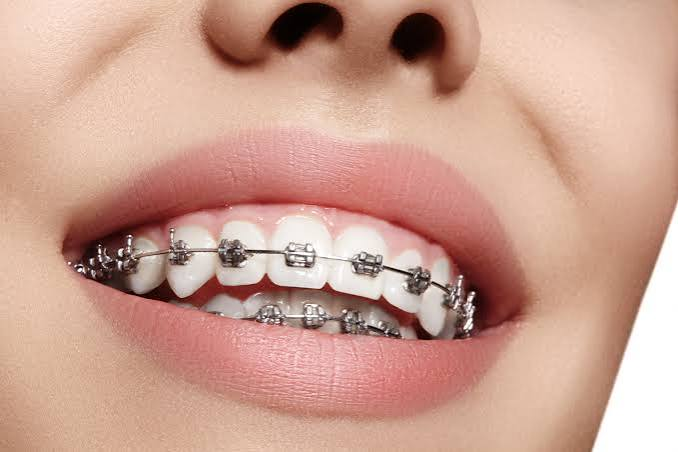
Today’s orthodontic care includes several treatment options. Traditional metal braces remain one of the most established methods. Brackets are attached to the teeth and connected with wires that apply controlled pressure over time.
Ceramic braces provide another option. They work similarly to traditional braces but use tooth-colored or less noticeable components, making them appealing to some patients.
Clear aligners have also become increasingly popular. These removable trays are designed to gradually move teeth into planned positions. They may be suitable for certain mild to moderate alignment problems, although not every orthodontic case can be treated with aligners.
An orthodontist can evaluate the individual’s needs and explain which options are appropriate. Choosing treatment based only on appearance may not be ideal, because the most suitable approach depends on the specific dental and jaw condition.
Benefits of Orthodontic Treatment
One of the most noticeable benefits of orthodontic care is improved tooth alignment. Straighter teeth can contribute to a more balanced smile and may help some people feel more confident.
There can also be functional benefits. Properly aligned teeth may make chewing and biting more comfortable. Improved alignment can also make certain areas easier to clean, which can support good oral hygiene when combined with regular brushing, flossing, and dental checkups.
Correcting bite problems may also help reduce uneven pressure on teeth. The exact benefits vary from person to person, which is why professional assessment is important.
What Happens During an Orthodontic Consultation?
The first appointment usually involves an examination of the teeth, jaws, and bite. The orthodontist may ask about dental history and any concerns the patient has noticed.
Depending on the situation, diagnostic records such as photographs, dental scans, or X-rays may be recommended. These records help the orthodontist understand tooth positions and jaw relationships.
After evaluation, the orthodontist can discuss possible treatment approaches. The treatment plan may include the recommended appliance, estimated treatment stages, follow-up appointments, and retention after active treatment.
A consultation is also a useful opportunity to ask questions about oral hygiene, treatment expectations, appointments, and available options.
Caring for Your Teeth During Treatment
Good oral hygiene becomes especially important during orthodontic treatment. Braces and other appliances can create additional areas where food particles and plaque may collect.
Patients should follow their orthodontist’s instructions for brushing and cleaning around orthodontic appliances. Regular dental visits remain important because orthodontists and general dentists may have different roles in maintaining oral health.
Patients wearing removable aligners should also follow instructions about cleaning and wearing them. Consistency can be important for keeping treatment on schedule.
Dietary recommendations may vary depending on the appliance. People with traditional braces may be advised to avoid particularly hard or sticky foods that could damage brackets or wires.
The Importance of Retainers
Finishing active orthodontic treatment does not necessarily mean that teeth will remain permanently in exactly the same positions without maintenance. Retainers are commonly used after orthodontic treatment to help maintain the results.
There are different types of retainers, including removable and fixed options. The orthodontist will recommend a retention plan based on the individual’s treatment and needs.
Following the recommended retainer schedule can be an important part of protecting the results achieved during orthodontic treatment.
Choosing the Right Orthodontist
Selecting an orthodontist is an important decision. Patients may consider the specialist’s education, experience, treatment options, technology, communication style, and office environment.
It can also be helpful to choose a practice where questions are answered clearly and treatment recommendations are explained in understandable language. A good consultation should give patients an opportunity to understand their condition and available choices.
Before beginning treatment, patients should also understand the expected process, appointments, maintenance requirements, and financial arrangements.
Conclusion
An orthodontist plays an important role in improving tooth alignment, bite function, and overall smile development. Orthodontic treatment can address concerns such as crowding, spacing, overbites, underbites, crossbites, and other alignment issues.
With options ranging from traditional braces to clear aligners, modern orthodontics offers different approaches for different needs. The best treatment depends on an individual’s teeth, jaws, age, oral health, and treatment goals.
If you are concerned about tooth alignment or bite problems, scheduling an orthodontic consultation can be a useful first step. A qualified orthodontist can evaluate your smile, explain your options, and develop an appropriate treatment plan designed to support a healthier and more functional smile.