
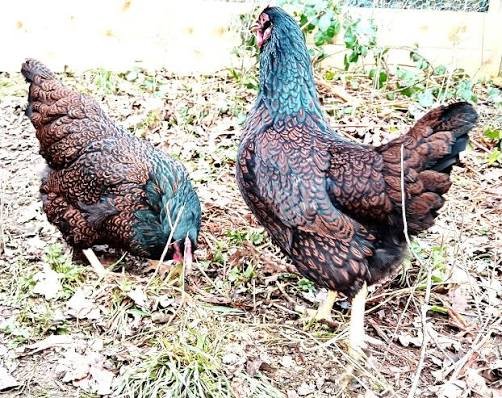
Raising Barnevelder chickens can be a rewarding experience for poultry enthusiasts who appreciate attractive feather patterns, calm personalities, and reliable egg production. Originally developed in the barnevelder hatching eggs Netherlands, Barnevelders are known for their distinctive plumage, particularly the beautiful double-laced pattern found in many varieties. These chickens are popular among backyard keepers, small-scale poultry breeders, and people interested in developing healthy, productive flocks.
For beginners, starting with quality hatching eggs can be an exciting way to raise Barnevelder chickens from the earliest stage of life. However, successful hatching requires careful selection, proper preparation, consistent incubation, and attentive chick care. Understanding these essential steps helps improve hatchability and gives young birds a stronger start.
Understanding the Barnevelder Chicken Breed
Barnevelder chickens are a heritage breed recognized for their attractive appearance and useful laying abilities. Their feathers often feature rich brown, black, and golden tones arranged in intricate patterns. Although the double-laced variety is especially well known, other color varieties are also available.
These chickens are generally considered suitable for backyard flocks because they can adapt to different environments when provided with appropriate housing, nutrition, and protection. Hens typically lay brown eggs, although production varies according to genetics, age, diet, lighting, and overall health.
Barnevelders are also valued by poultry breeders who want to maintain traditional characteristics. Starting with carefully selected hatching eggs can help keepers work toward consistent feather patterns, healthy body development, and desirable breed traits.
Why Quality Hatching Eggs Matter
The quality of hatching eggs plays an important role in the success of a poultry breeding project. Even a well-maintained incubator cannot compensate for eggs that were infertile, poorly handled, damaged, or stored incorrectly before incubation.
Choosing eggs from a responsible breeder increases the likelihood of receiving eggs from healthy breeding stock. Reputable breeders pay attention to flock management, fertility, parent bird condition, and breed characteristics.
When evaluating Barnevelder hatching eggs, consider the following factors:
- Breeding stock health: Parent birds should appear healthy and receive appropriate nutrition and care.
- Eggshell condition: Select eggs with clean, intact shells and no visible cracks.
- Typical shape: Eggs should have a normal oval shape rather than being unusually elongated or rounded.
- Freshness: Recently collected eggs generally offer better hatching prospects than eggs stored for extended periods.
- Breeder transparency: A trustworthy seller should explain egg collection, storage, and shipping practices.
No seller can guarantee that every egg will hatch. Nevertheless, careful selection helps reduce avoidable risks and provides a better foundation for raising healthy chickens.
Finding a Reliable Source for Barnevelder Hatching Eggs
Finding the right supplier is an important step for anyone planning to raise Barnevelder chickens. Buyers should look beyond attractive photographs and low prices when evaluating potential sellers.
A reliable breeder should have a clear understanding of the breed and maintain breeding birds under suitable conditions. Ask about the age and health of the parent flock, typical fertility results, and whether the birds have been selected for recognized Barnevelder characteristics.
It is also helpful to ask how eggs are collected, stored, packaged, and dispatched. Hatching eggs are fragile, and rough handling during transportation can reduce their chances of developing successfully.
If your goal is to raise chickens with particular feather patterns or preserve specific bloodlines, discuss those expectations before purchasing. Egg appearance alone cannot reliably predict the final plumage, temperament, or laying performance of the chicks.
Before ordering, check local poultry regulations and any applicable requirements for transporting eggs. Planning ahead can prevent unnecessary delays and help ensure that the eggs arrive when you are ready to incubate them.
Preparing an Incubator for Successful Hatching
Proper incubation creates the conditions necessary for embryos to develop. Before placing Barnevelder hatching eggs inside an incubator, clean the equipment according to the manufacturer’s instructions and confirm that its temperature and humidity controls work correctly.
A forced-air incubator commonly operates at approximately 99.5°F (37.5°C), although the correct setting depends on the equipment and its design. Follow the incubator manufacturer’s recommendations and use a reliable thermometer to verify the temperature.
Humidity must also be controlled carefully. Many chicken eggs are incubated at moderate humidity during the initial stages, with higher humidity used during the final days before hatching. Exact targets vary with the incubator, local conditions, and egg moisture loss.
Turning the eggs regularly helps prevent the developing embryo from adhering to the inner shell membranes. Automatic turning systems can simplify this task, while manual turning requires a consistent schedule and clean hands.
Chicken eggs generally take around 21 days to hatch. However, small differences in temperature, egg handling, and incubation conditions can influence the timing.
Handling and Storing Eggs Before Incubation
Good egg handling begins before the eggs enter the incubator. Store hatching eggs in a clean, stable environment away from direct sunlight, strong odors, and excessive temperature changes.
Avoid washing eggs intended for incubation unless you have specific guidance from an experienced poultry professional. Improper washing can damage the eggshell’s natural protective coating and introduce contamination.
If incubation cannot begin immediately, keep the eggs in suitable conditions recommended by an experienced breeder or poultry extension service. Turning stored eggs periodically may also help maintain their hatching potential.
When the eggs arrive, inspect them carefully for cracks or damage. Allow cool eggs to reach an appropriate temperature gradually before setting them, following the breeder’s instructions. Avoid unnecessary handling because excessive movement and rough treatment can affect fragile eggs.
Monitoring Embryonic Development
Monitoring development helps poultry keepers identify potential problems before hatch day. Candling is a common technique in which a bright light is used to examine an egg in a dark environment.
During candling, developing blood vessels and other visible changes may indicate that an embryo is growing. Clear eggs after sufficient incubation time may be infertile or may contain embryos that stopped developing, although timing and interpretation matter.
Handle eggs gently during this process and keep them outside the incubator only as long as necessary. Repeated inspections are not always beneficial, especially for inexperienced keepers.
Maintaining stable incubation conditions is more important than frequently adjusting equipment in response to small fluctuations. Record temperature, humidity, turning, and observations in a simple log to help identify patterns and improve future hatches.
Caring for Newly Hatched Barnevelder Chicks
Once the chicks hatch, the next priority is providing a clean, warm, and secure brooder. Newly hatched chicks need time to dry and become active before being moved from the incubator.
A brooder should provide an appropriate temperature gradient so chicks can move toward or away from the heat source as needed. Watch their behavior: huddling together and persistent distress calls may indicate that they are too cold, while moving far from the heat source and panting can indicate excessive warmth.
Provide fresh drinking water in a shallow, chick-safe drinker and use a complete starter feed formulated for young chickens. Feed and water containers should be easy to reach without creating a drowning risk or excessive spillage.
The brooder floor should offer secure footing and remain dry. Clean bedding, adequate ventilation, and enough space help reduce the risk of illness and overcrowding.
Observe chicks daily for signs of weakness, poor activity, difficulty eating, or unusual droppings. Seek advice from a poultry veterinarian when health concerns arise.
Feeding and Growing Healthy Barnevelder Chickens
Nutrition has a lasting influence on growth, feather development, and general health. Young Barnevelders need a balanced chick starter containing appropriate protein, vitamins, minerals, and energy.
As the birds mature, transition them to age-appropriate poultry feed according to the manufacturer’s guidance. Avoid relying on kitchen scraps or grains alone because these foods do not provide a complete diet.
Clean water should remain available throughout the day. Water containers must be checked frequently, particularly during warm weather when chicks can become dehydrated more quickly.
As the birds grow, provide increasing space, suitable perches, and secure outdoor access when conditions permit. Introduce environmental changes gradually so the chickens can adapt without unnecessary stress.
Keep the flock protected from predators, damp conditions, and extreme temperatures. Regular observation also helps identify differences in growth and development between individual birds.
Maintaining Breed Characteristics and Flock Health
For keepers interested in breeding Barnevelders, selecting healthy birds with desirable characteristics is an important long-term responsibility. Evaluate more than feather appearance alone. Sound structure, normal growth, vitality, and suitable temperament should also influence breeding decisions.
Maintain accurate records of egg sources, hatch dates, hatch rates, parent birds, and chick development. These records make it easier to evaluate breeding outcomes and identify reliable bloodlines.
Practice good biosecurity by cleaning equipment, limiting unnecessary contact between separate flocks, and quarantining newly acquired birds according to appropriate veterinary guidance. Preventive care can reduce the introduction and spread of poultry diseases.
Responsible breeding also means avoiding excessive inbreeding and considering genetic diversity when selecting future breeding stock. Consult knowledgeable breeders and poultry professionals when planning a long-term breeding program.
Conclusion
Raising Barnevelder chickens from quality hatching eggs offers poultry enthusiasts an opportunity to experience the complete journey from incubation to a growing flock. Success begins with selecting eggs from healthy breeding stock and continues through careful handling, reliable incubation, and attentive chick care.
By preparing the incubator properly, maintaining stable conditions, providing balanced nutrition, and creating a safe brooder environment, beginners can improve their chances of raising healthy birds. Patience and careful recordkeeping are equally valuable, especially when learning how different factors influence hatchability and development.
Whether your goal is to establish a backyard flock, preserve attractive heritage characteristics, or explore poultry breeding, quality hatching eggs provide a promising starting point. With responsible planning and consistent care, Barnevelder chickens can become a valuable and enjoyable addition to a well-managed poultry project.