
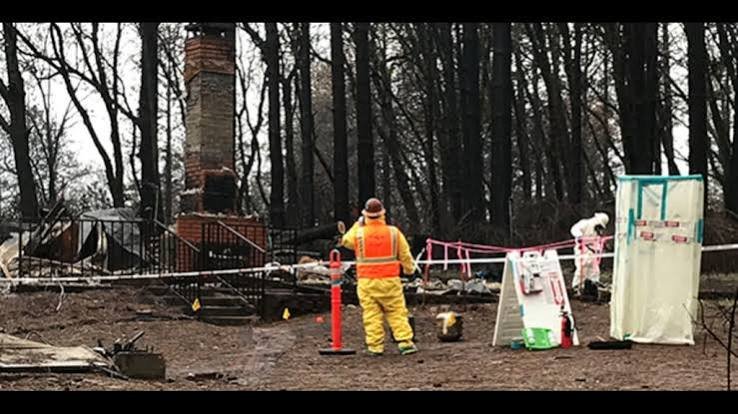
Unexpected property damage can occur at any time, leaving homeowners and business owners facing stressful situations that require immediate attention. Water leaks, flooding, fire damage, sewage backups, storms, and other emergencies can affect the safety, appearance, and functionality of a property. When these incidents happen, taking the right steps quickly can help prevent further damage and make the restoration process more manageable. Emergency cleanup emergency cleanup professionals professionals play an essential role in assessing the situation, addressing immediate risks, and helping property owners restore their spaces safely and efficiently.
Understanding how emergency cleanup teams respond to unexpected property damage can help homeowners and businesses make informed decisions during difficult circumstances.
Understanding the Importance of Emergency Cleanup Services
Property damage often involves more than what is visible on the surface. A burst pipe may allow moisture to spread behind walls, while a fire can leave smoke residue throughout a building. Storm damage may compromise roofing materials, and sewage backups can introduce harmful contaminants into indoor environments.
Emergency cleanup professionals understand that every incident requires a suitable response. Their first priority is to evaluate the affected area and identify immediate safety concerns. They then determine which cleanup and restoration measures are necessary to protect the property and reduce the possibility of additional problems.
Professional assistance can also help property owners avoid common mistakes, such as using unsuitable cleaning products, entering unsafe areas, or attempting to remove contaminated materials without appropriate precautions.
Initial Assessment and Safety Evaluation
The first stage of an emergency cleanup response is a careful assessment of the property. Professionals examine the affected areas to understand the extent of the damage, identify potential hazards, and determine the most appropriate course of action.
Depending on the incident, the assessment may include checking for standing water, structural concerns, smoke residue, damaged building materials, or possible contamination. Cleanup teams also consider whether occupants can safely remain inside the property or whether access should be restricted until certain risks have been addressed.
This evaluation helps establish clear priorities. Immediate hazards must be managed before extensive cleaning or restoration begins.
A detailed assessment also supports better planning by helping the cleanup team estimate the required equipment, materials, workforce, and restoration steps. When necessary, professionals may coordinate with electricians, plumbers, structural specialists, or other qualified contractors.
Responding Quickly to Water and Flood Damage
Water damage is one of the most common reasons property owners seek emergency cleanup services. Heavy rainfall, overflowing appliances, broken pipes, roof leaks, and drainage failures can introduce significant amounts of water into residential and commercial buildings.
Quick action is important because moisture can spread into flooring, insulation, furniture, and wall cavities. If wet materials remain untreated, the property may develop persistent odors, material deterioration, and mold-related problems.
Emergency cleanup professionals begin by identifying the source of the water when it is safe to do so. They may coordinate repairs to stop the leak before removing standing water and beginning the drying process.
Specialized extraction equipment, air movers, and dehumidifiers can help remove moisture from affected spaces. Professionals may also monitor moisture levels to determine whether building materials have dried sufficiently.
The appropriate response depends on the source and condition of the water. Water associated with sewage or contaminated flooding requires additional precautions and may involve removing materials that cannot be safely restored.
Managing Fire and Smoke Damage
Fire incidents can cause extensive damage even when flames affect only a limited portion of a building. Smoke, soot, heat, and firefighting water may impact rooms far beyond the original fire location.
Emergency cleanup teams assess the affected areas before deciding which materials can be cleaned and which require removal or replacement. They may address smoke odors, soot deposits, damaged contents, and moisture left behind by firefighting activities.
Different surfaces require different cleaning methods. Using an unsuitable product or technique can spread residue or cause permanent damage to furniture, walls, and other belongings. Professional teams select appropriate methods based on the material and the type of contamination.
Ventilation, odor-control measures, and specialized cleaning techniques may also be necessary. However, the property should not be considered safe for reoccupation until relevant hazards have been evaluated and addressed.
By organizing the cleanup process carefully, professionals help property owners move from the immediate aftermath of a fire toward a structured restoration plan.
Handling Biohazards and Contaminated Areas
Some emergencies involve materials that may present biological or chemical risks. Sewage overflows, certain unattended deaths, accidents, and other contamination events can require specialized cleaning procedures.
In these circumstances, ordinary household cleaning may not be sufficient. Emergency cleanup professionals assess the affected area, establish appropriate safety controls, and use suitable protective equipment and cleaning methods.
Depending on the situation, the work may involve isolating contaminated spaces, removing affected materials, cleaning surfaces, applying appropriate disinfectants, and arranging safe waste disposal. Professionals follow applicable regulations and procedures to reduce exposure risks.
Respectful communication is also important when an incident affects a home, workplace, or family environment. Experienced teams understand that certain emergencies can be emotionally difficult, so they aim to complete their responsibilities with discretion and professionalism.
Preventing Further Property Damage
One of the main objectives of emergency cleanup is to limit the impact of the original incident. Delays can allow moisture to spread, contaminants to affect additional surfaces, or damaged materials to deteriorate further.
After identifying the immediate risks, professionals establish a practical plan to stabilize the property. Depending on the circumstances, this may include temporary protection for damaged openings, moisture removal, debris clearance, or coordination with repair contractors.
They also identify materials that may need additional inspection before restoration can continue. For example, water-damaged drywall, fire-affected structural components, or compromised electrical systems may require evaluation by qualified specialists.
Preventive measures are important because visible damage does not always reveal the full extent of a problem. A systematic approach helps ensure that hidden issues receive appropriate attention instead of being overlooked during cosmetic repairs.
Using Specialized Equipment and Professional Techniques
Emergency cleanup often requires equipment that is not readily available to property owners. Depending on the incident, professionals may use water extraction machines, industrial drying equipment, air filtration systems, moisture meters, and specialized cleaning tools.
These resources help teams work more efficiently while supporting consistent results. Moisture measurement, for example, provides useful information about whether water has penetrated materials that appear dry on the surface.
Protective equipment is equally important when workers encounter contaminated materials, heavy debris, or other hazards. Training helps team members select appropriate precautions and follow established procedures.
Professional techniques also reduce the likelihood of unnecessary material damage. Rather than applying the same cleaning method to every surface, experienced technicians assess the affected materials and choose suitable solutions.
Communication, Documentation, and Restoration Planning
Clear communication helps property owners understand what is happening throughout the cleanup process. Emergency cleanup professionals typically explain the observed damage, immediate priorities, recommended services, and possible next steps.
Documentation can also be valuable. Photographs, written assessments, moisture readings, and records of affected materials may help property owners track the work and communicate with insurance representatives.
Coverage varies according to the insurance policy and the cause of the damage, so property owners should review their terms and contact their insurer promptly. Cleanup documentation can support the claims process, although it does not guarantee coverage or reimbursement.
Once emergency measures are complete, the team may recommend additional restoration work. This can include replacing damaged materials, repairing building components, repainting surfaces, or restoring affected rooms to usable condition.
A clear plan helps property owners understand which tasks have been completed and which still require attention.
Choosing the Right Emergency Cleanup Company
Selecting a qualified emergency cleanup company is an important decision, particularly when damage affects the safety of a building. Property owners should look for providers with relevant training, appropriate equipment, transparent service terms, and experience handling the specific type of incident.
It is also helpful to ask about response availability, safety procedures, documentation practices, and coordination with other restoration professionals. Depending on the work involved, appropriate licensing, certifications, insurance, and compliance with local regulations may also be important.
Before authorizing extensive work, property owners should request a clear explanation of the proposed services and any applicable costs. Reliable communication can make a difficult situation easier to manage.
Conclusion
Unexpected property damage can disrupt daily life, threaten the condition of a building, and create concerns about safety and recovery. Emergency cleanup professionals help property owners respond by assessing hazards, controlling immediate risks, removing damaged materials, and organizing appropriate cleaning and restoration measures.
Whether the problem involves flooding, fire, sewage contamination, or storm damage, a structured professional response can reduce the likelihood of further deterioration and support a more efficient recovery.
By choosing qualified specialists and acting promptly when it is safe to do so, homeowners and businesses can take practical steps toward restoring their properties. With careful assessment, suitable equipment, effective communication, and responsible cleanup procedures, emergency cleanup professionals provide valuable support when unexpected damage turns an ordinary day into a challenging situation.