
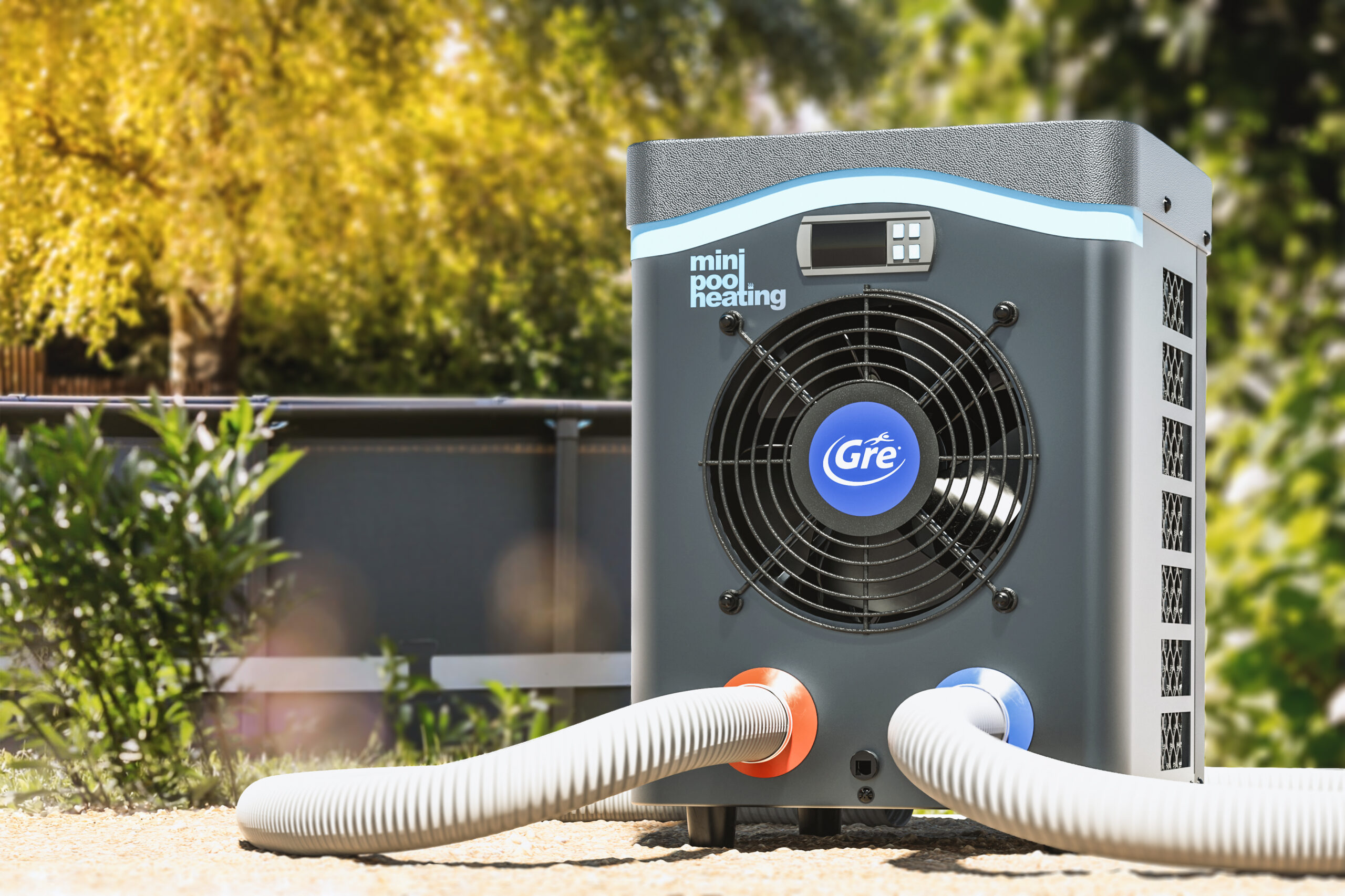
A swimming pool is a valuable addition to any home or commercial property, offering a place to relax, exercise, entertain guests, and enjoy quality time with family. However, changing weather conditions can make it difficult to maintain a comfortable swimming temperature throughout the year. This is where swimming pool heat pumps provide an efficient and practical solution. Designed to transfer heat from the surrounding air into pool water, these systems can help extend the swimming season while using energy more efficiently than many traditional heating methods.
Understanding How Pool Heat Pumps Work
Unlike conventional heaters that generate heat by burning fuel or using large amounts of electricity, a heat pump primarily works by moving existing heat from one place to another. The system draws warmth from the surrounding air, even when outdoor temperatures are relatively cool. This heat is then transferred through a refrigeration cycle and delivered into the pool water.
The process begins when the heat pump’s fan pulls ambient air across an evaporator coil. A refrigerant inside the coil absorbs available heat from the air and changes into a gas. A compressor then increases the temperature of this refrigerant before the heat is transferred to the pool water through a heat exchanger. Once the heat has been released, the refrigerant returns to its original state, allowing the cycle to continue.
This technology makes swimming pool heat pumps particularly attractive for homeowners who want consistent water temperatures without relying entirely on traditional heating systems. Although the system requires electricity to operate, most of the energy used for heating comes from the surrounding air rather than being generated directly.
Why Efficient Pool Temperature Control Matters
Maintaining a comfortable pool temperature can significantly improve the swimming experience. Water that is too cold may discourage people from using the pool, while excessive heating can increase energy consumption and operating costs. An efficient heating system allows pool owners to find a comfortable balance between usability and energy management.
Temperature control is also important for pools used for regular exercise or aquatic activities. Swimmers often benefit from stable water temperatures, especially when they use the pool frequently. Instead of allowing the water temperature to fluctuate dramatically with changing weather, a reliable heating system can provide greater consistency.
For residential pools, efficient temperature control can help families make better use of their investment. A pool that remains comfortable for more months of the year offers greater value and flexibility.
Energy Efficiency and Long-Term Savings
One of the biggest advantages of swimming pool heat pumps is their potential for energy efficiency. Because they transfer heat instead of creating it through combustion, they can produce substantial heating output relative to the electricity they consume.
The exact level of efficiency depends on several factors, including outdoor air temperature, humidity, desired water temperature, pool size, and the specific heat pump model. In warmer climates, a heat pump can operate particularly efficiently because more heat is available in the surrounding air. In cooler conditions, performance may decrease, but the system can still provide a useful heating solution when properly selected and installed.
Energy savings can also be improved by combining a heat pump with a quality pool cover. A significant amount of heat can be lost from a pool through evaporation, particularly overnight or during windy conditions. Covering the pool when it is not being used helps retain warmth and reduces the workload placed on the heating system.
Extending the Swimming Season
Many pools are only comfortable during the warmest months of the year. A heat pump can help extend this period by raising the water temperature during cooler spring and autumn days. Depending on the local climate and equipment capacity, pool owners may be able to enjoy swimming for several additional weeks or months.
This extended usability can be especially beneficial for families with children, fitness enthusiasts, and people who enjoy entertaining outdoors. Instead of treating the pool as a seasonal feature, homeowners can potentially use it more consistently throughout the year.
The effectiveness of seasonal extension depends on local weather conditions. A heat pump is generally most effective when the surrounding air provides enough available heat for efficient operation. Therefore, selecting equipment appropriate for the local climate is an important part of the planning process.
Choosing the Right Heat Pump for Your Pool
Selecting the right heating system requires careful consideration of several factors. Pool volume is one of the most important. A larger pool requires greater heating capacity, while a smaller pool may need a more compact system.
The desired water temperature and expected swimming season should also be considered. Someone who wants to maintain a warm pool during cooler weather may require a more powerful unit than someone who only needs occasional temperature adjustments during mild seasons.
Climate plays another important role. The average outdoor temperature and humidity levels influence how efficiently a heat pump can extract heat from the air. Homeowners should also consider the location of the unit. Proper airflow is essential, so the system should be installed in an area with adequate ventilation and sufficient clearance.
Noise levels, electrical requirements, installation costs, and maintenance needs are also worth evaluating before making a purchase. Consulting a qualified pool heating professional can help determine the appropriate capacity and configuration.
Installation and Maintenance Considerations
Professional installation is generally recommended for pool heat pump systems. Correct installation ensures that the water connections, electrical components, drainage, and airflow requirements are properly addressed. An incorrectly installed unit may operate inefficiently or experience unnecessary wear.
Routine maintenance is relatively straightforward but remains important. Pool owners should keep the area around the heat pump free from leaves, grass, dirt, and other debris that could restrict airflow. Filters and water circulation systems should also be maintained according to manufacturer recommendations.
Regularly checking water chemistry is another important consideration. Balanced pool water helps protect components such as heat exchangers from corrosion or scaling. Depending on the model and local conditions, professional servicing may also be beneficial to maintain reliable performance.
Heat Pumps Compared With Other Pool Heating Options
Traditional gas heaters remain popular because they can heat water quickly and operate independently of outdoor air temperatures. However, fuel consumption can make them more expensive to operate over long periods. Solar heating systems, meanwhile, can offer very low operating costs but depend heavily on sunlight and available roof or ground space.
Electric resistance heaters are another option, but they may consume more electricity because they generate heat directly rather than transferring existing heat. Heat pumps occupy an attractive middle ground for many pool owners because they combine electric operation with heat-transfer technology.
The best option depends on the pool’s location, usage patterns, climate, budget, and heating requirements. In some situations, combining technologies can provide an effective solution. For example, solar heating may assist during sunny periods while a heat pump provides additional temperature control when needed.
The Role of Smart Pool Heating Technology
Modern pool heating systems are becoming increasingly convenient through digital controls and automation. Some heat pumps can be managed through user-friendly control panels or connected systems that allow owners to monitor and adjust settings.
Smart controls can make it easier to schedule heating according to expected pool use. Instead of continuously maintaining a high temperature, users can program the system to operate at specific times. This approach may help reduce unnecessary energy consumption while keeping the pool ready when needed.
Automation can also be integrated with other pool equipment, including pumps, filtration systems, and covers. When these components work together, homeowners can achieve more efficient overall pool management.
A Practical Investment for Pool Owners
For those looking for a balance between comfort, efficiency, and long-term usability, swimming pool heat pumps can be a smart approach to temperature management. Their ability to transfer ambient heat into pool water allows them to operate efficiently under suitable conditions while helping homeowners enjoy their pools for longer periods.
The most successful results come from choosing appropriately sized equipment, maintaining good water chemistry, reducing heat loss with a pool cover, and using smart controls where available. While the initial investment may be higher than some basic heating options, the potential for efficient operation and extended pool use can make a heat pump a worthwhile consideration.
Ultimately, efficient pool temperature control is about more than simply making water warmer. It involves selecting the right technology, using energy responsibly, and creating a system that matches the pool owner’s lifestyle and local environment. With careful planning and proper maintenance, a modern heat pump can help transform a seasonal swimming pool into a more comfortable and consistently usable feature of the property.