
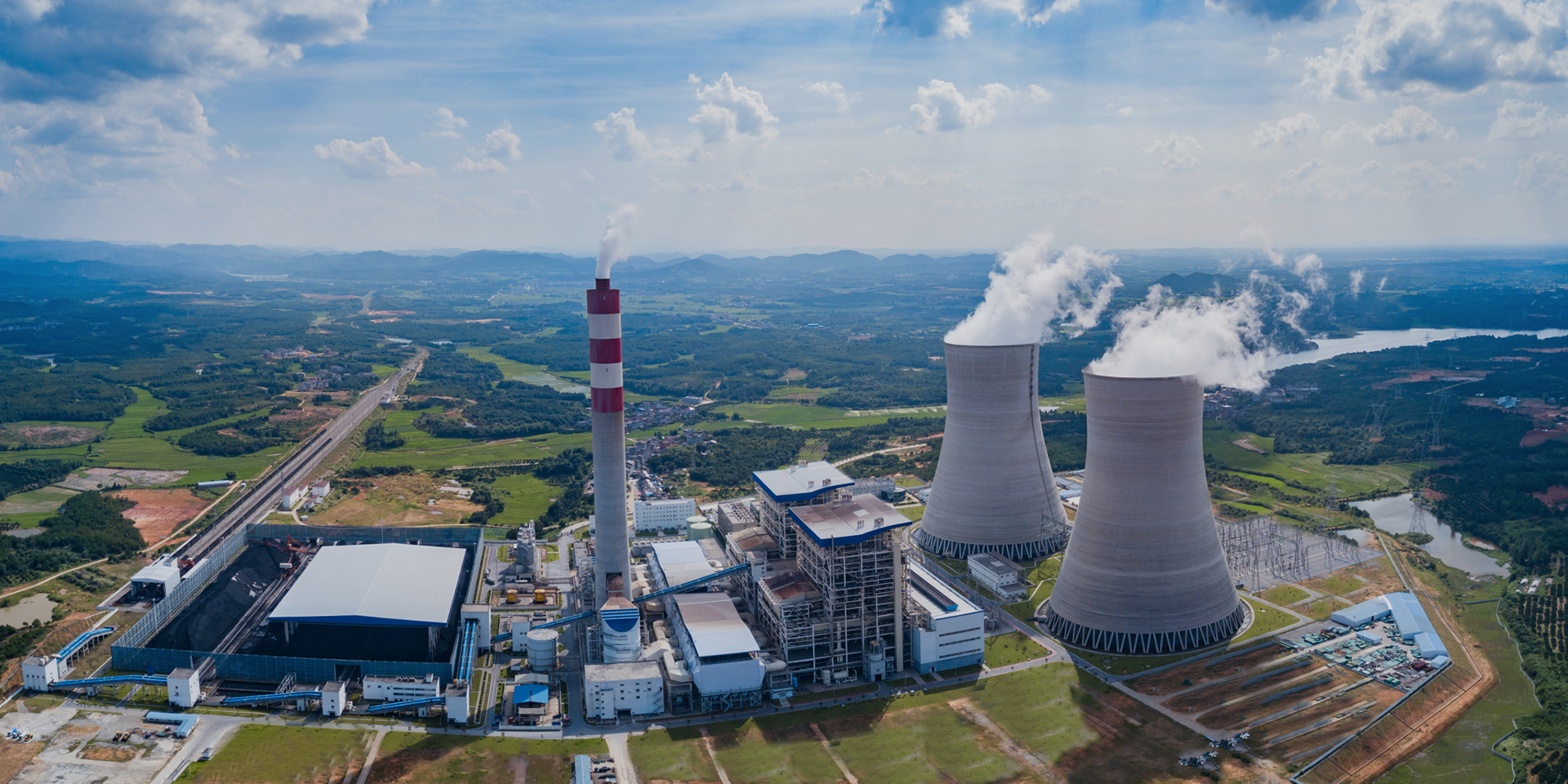
Biomass energy continues to gain global importance as industries transition toward cleaner and more sustainable power generation. However, many facilities operating biomass systems today were designed years ago under different regulatory, fuel, and efficiency standards. To remain competitive and compliant, companies are increasingly focusing on biomass-fired boiler island upgrades to enhance performance, reliability, and environmental compliance. Upgrading a biomass-fired boiler island is not simply about replacing parts; it is a strategic process that involves engineering analysis, combustion optimization, emissions control, and digital integration. Understanding the essential factors behind successful upgrades can significantly improve output, reduce downtime, and extend equipment lifespan.
Understanding the Boiler Island Concept
A boiler island refers to the integrated system that includes the boiler, fuel handling equipment, combustion chamber, steam drum, air systems, ash handling, and emission control components. In biomass power plants, this system converts organic materials such as wood chips, agricultural residues, and pellets into thermal energy for steam production. Over time, wear and tear, evolving fuel sources, and stricter emission norms can reduce the efficiency of these systems. Biomass-fired boiler island upgrades aim to modernize these components to improve thermal efficiency, ensure regulatory compliance, and optimize fuel flexibility.
Assessing Current Performance Limitations
Before implementing any upgrades, facilities must conduct a comprehensive performance audit. This assessment identifies bottlenecks in heat transfer surfaces, combustion inefficiencies, air-to-fuel imbalances, and ash deposition issues. Many older systems struggle with inconsistent fuel quality, leading to unstable combustion and higher unburned carbon losses. Performance diagnostics typically include flue gas analysis, steam output monitoring, heat rate calculations, and inspection of pressure parts. Identifying these weaknesses provides the foundation for targeted biomass-fired boiler island upgrades rather than costly full replacements.
Fuel Flexibility and Combustion Optimization
One of the primary reasons for upgrading biomass boiler systems is the shift in fuel supply. Modern biomass plants often process mixed fuels with varying moisture content, calorific value, and particle size. Without proper modifications, these variations can disrupt combustion stability and reduce efficiency. Upgrading fuel feeding systems, installing advanced grate designs, or retrofitting fluidized bed technology can improve mixing and heat transfer. Combustion control systems equipped with oxygen sensors and automated air staging help maintain optimal combustion conditions. Enhanced combustion not only improves thermal output but also reduces emissions of carbon monoxide and particulate matter.
Heat Transfer Surface Improvements
Heat transfer efficiency directly impacts steam production and overall plant output. Over time, fouling and corrosion reduce the effectiveness of boiler tubes and superheaters. Modern upgrades may involve replacing outdated tube materials with corrosion-resistant alloys, optimizing tube geometry, or incorporating soot-blowing technologies. Computational modeling tools are frequently used to redesign heat exchanger surfaces for improved energy capture. By maximizing heat absorption, biomass-fired boiler island upgrades can significantly enhance steam generation without increasing fuel consumption.
Emissions Control and Environmental Compliance
Environmental regulations continue to tighten globally, compelling biomass power operators to adopt advanced emission control technologies. Upgrades may include installing electrostatic precipitators, baghouse filters, or selective non-catalytic reduction systems for nitrogen oxide control. Modern monitoring systems provide real-time emission data, enabling operators to adjust combustion parameters instantly. Meeting environmental standards is not only about regulatory compliance but also about improving corporate sustainability goals. Well-executed biomass-fired boiler island upgrades reduce particulate emissions, sulfur oxides, and nitrogen oxides while maintaining high efficiency.
Digitalization and Automation Integration
Automation plays a critical role in maximizing the benefits of boiler upgrades. Digital control systems allow precise regulation of fuel feeding, airflow distribution, steam temperature, and pressure levels. Advanced control algorithms analyze operational data to predict maintenance needs and prevent unexpected shutdowns. Integrating smart sensors throughout the boiler island enhances performance visibility and enables remote monitoring. Digital twins and predictive maintenance tools further extend equipment lifespan. By incorporating automation into biomass-fired boiler island upgrades, plants achieve higher operational reliability and reduced labor-intensive interventions.
Structural and Mechanical Reliability Enhancements
Long-term performance improvements depend on strengthening the structural and mechanical components of the boiler island. Replacing worn-out refractory linings, reinforcing support structures, and upgrading expansion joints help accommodate thermal stress and vibration. Ash handling systems often require modernization to prevent blockages and minimize downtime. Enhanced mechanical reliability reduces forced outages and improves overall plant availability. Investing in structural improvements during biomass-fired boiler island upgrades ensures sustainable performance gains rather than temporary fixes.
Energy Efficiency and Economic Impact
Upgrading biomass boiler islands can yield measurable economic benefits. Improved heat rates lower fuel costs, while higher steam output increases power generation capacity. Reduced maintenance expenses and fewer unplanned outages contribute to better financial performance. Many governments offer incentives for improving renewable energy efficiency, making upgrades financially attractive. Conducting a detailed cost-benefit analysis helps determine the return on investment for each upgrade component. When executed strategically, biomass-fired boiler island upgrades provide both environmental and economic advantages.
Safety and Operational Standards
Safety considerations are fundamental during upgrade projects. Biomass systems involve high-pressure steam, combustible materials, and high-temperature surfaces. Modern safety systems include improved pressure relief valves, advanced flame detection systems, and automated shutdown protocols. Upgraded control systems reduce human error and enhance emergency response capabilities. Training personnel to operate new systems effectively is equally important. Ensuring compliance with industrial safety standards enhances plant reliability and protects workforce well-being.
Planning and Execution Strategy
Successful upgrades require detailed planning and collaboration between engineers, plant operators, and technology providers. Project timelines must account for shutdown periods, equipment delivery schedules, and commissioning procedures. Simulation modeling and pilot testing minimize risks associated with large-scale modifications. Clear communication among stakeholders ensures smooth implementation and minimal operational disruption. A phased approach is often beneficial, allowing plants to upgrade critical systems first while maintaining power production.
Future-Proofing Biomass Boiler Operations
The renewable energy sector continues to evolve with advancements in carbon capture, hybrid energy integration, and hydrogen co-firing technologies. Forward-thinking facilities design upgrades with scalability in mind. Modular system components and flexible control architectures enable easy adaptation to emerging technologies. By incorporating future-ready solutions during biomass-fired boiler island upgrades, plants remain competitive in a rapidly changing energy landscape.
Conclusion
Upgrading a biomass-fired boiler island is a strategic investment in efficiency, compliance, and long-term sustainability. From combustion optimization and heat transfer improvements to digital integration and structural reinforcement, each element plays a vital role in boosting performance. Comprehensive assessments, careful planning, and the adoption of advanced technologies ensure measurable gains in reliability and output. As environmental standards tighten and fuel markets evolve, biomass-fired boiler island upgrades offer a practical pathway for renewable energy plants to enhance competitiveness while supporting global sustainability goals.