
Long shifts are a common part of nursing, but spending many hours on your feet can be challenging. Nurses may walk from room to room, assist patients, stand during procedures, complete charts, and respond to urgent needs with little time to stop.
A guide for nurses on long shifts should therefore focus on realistic habits that can support physical comfort, mental focus, and recovery. The goal isn’t to make a 12-hour shift effortless. Instead, it’s about making each part of the day easier to manage.
Start With a Realistic Pre-Shift Routine
The hours before work can influence how you feel throughout your shift. Rushing out of the house without eating, drinking, or preparing your essentials can make an already demanding day feel harder.
Create a simple pre-shift routine. Prepare your uniform and shoes, pack your meal and snacks, fill your water bottle, and make sure you have everything you’ll need.
If possible, give yourself enough time to leave home without rushing.
Prioritize Rest Before Extended Shifts
Adequate sleep is one of the most important parts of preparing for a long shift.
When you begin work already exhausted, maintaining concentration can become more difficult. Try to protect your sleep time and maintain a routine that works with your schedule.
For night-shift nurses, daytime sleep can be particularly challenging. A dark bedroom, reduced noise, and a consistent sleep schedule may make daytime rest easier.
Don’t Underestimate Comfortable Clothing
Comfort isn’t only about shoes. Your uniform should allow you to move freely without creating unnecessary pressure or restriction.
Choose clothing that is appropriate for your workplace while allowing you to walk, bend, sit, and assist patients comfortably.
Small sources of discomfort can become much more noticeable after several hours.
Choose Footwear for the Entire Shift
Shoes that feel comfortable for 30 minutes may not feel comfortable after 10 hours.
Look for footwear that fits well and provides suitable support. Your feet should have enough room to move naturally without your shoes slipping excessively.
Pay attention to how your feet feel after several shifts. If you regularly experience soreness or pressure points, it may be time to reassess your footwear.
Consider Compression Stockings for Long Hours
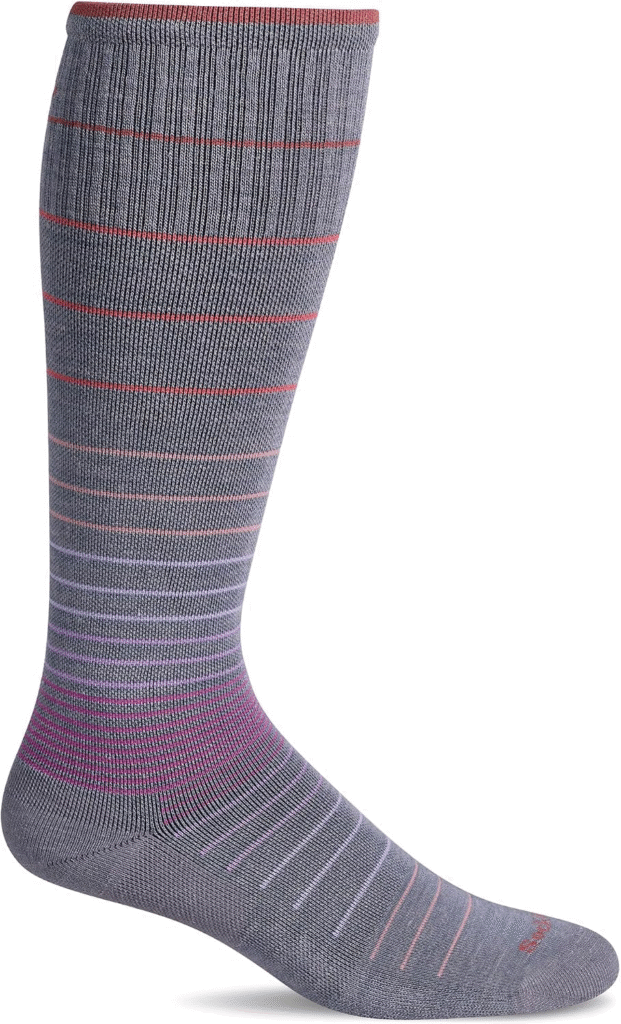
Compression stockings may be useful for some nurses who spend extended periods standing or walking.
They are designed to apply graduated pressure to the legs and are available in different strengths. Some people use them to help with certain types of swelling and leg discomfort.
However, compression isn’t appropriate for everyone. If you have a medical condition affecting your circulation or have unexplained leg symptoms, speak with a healthcare professional before using compression stockings.
Keep Hydration Within Reach
A busy nursing environment can make drinking water difficult to remember.
When permitted, keep a water bottle accessible. Use your appropriate breaks as opportunities to drink and avoid waiting until you’re extremely thirsty.
Hydration needs vary between individuals, so pay attention to your body’s needs and follow any medical advice you’ve been given.
Prepare Food That Fits Your Schedule
A complicated meal isn’t always practical during a long shift. Choose food that can be stored safely and eaten conveniently during your designated break.
A balanced meal can include a protein source, carbohydrates, vegetables or fruit, and other foods that fit your dietary needs.
Keep a simple snack available as well in case your schedule changes.
Avoid Skipping Every Break
A busy unit may make it tempting to work continuously, but breaks are important when they are available.
Use appropriate break periods to sit down, drink water, eat, and mentally disconnect from work for a few minutes.
Even a brief pause can help you reset before returning to patient care.
Use Small Movement Breaks
Long nursing shifts involve plenty of walking, but that doesn’t necessarily prevent stiffness.
If your duties allow, change positions regularly. Gentle ankle movements, calf stretches, shoulder rolls, and other simple mobility exercises can be incorporated into appropriate moments.
You don’t need a long exercise session. A few minutes of movement can be easier to fit into a busy schedule.
Manage Energy Instead of Fighting Fatigue
A common mistake is trying to maintain maximum energy from the beginning to the end of a long shift.
Instead, think about pacing yourself. Stay organized, prioritize responsibilities, and avoid unnecessary physical effort when possible.
Knowing when you typically experience an energy dip can also help you plan meals, hydration, and breaks more effectively.
Give Your Mind a Break
Nursing requires continuous attention. After several hours, mental fatigue can become just as noticeable as physical tiredness.
During an appropriate break, try to step away mentally. Take a few slow breaths, sit somewhere quiet, or simply focus on something unrelated to your current workload for a few minutes.
This doesn’t remove workplace stress, but it can provide a useful reset.
Don’t Rely Too Heavily on Caffeine
Caffeine can be useful for alertness, but it shouldn’t become the main strategy for handling exhaustion.
Too much caffeine can affect sleep, which may make the next shift harder. This is especially important for nurses working rotating or overnight schedules.
Pay attention to how your body responds and consider the timing of caffeinated drinks.
Create a Post-Shift Recovery Routine
After a long shift, your first priority should be recovery.
Drink fluids, eat when appropriate, change into comfortable clothing, and allow yourself time to relax. Gentle movement may be useful if you’re feeling stiff, while sleep remains essential for recovery.
Try not to underestimate the value of simply giving yourself permission to rest.
Watch for Persistent Leg Symptoms
Standing and walking for long periods can make your legs feel tired. However, persistent or unusual symptoms deserve attention.
Significant swelling, ongoing pain, numbness, weakness, or other concerning changes shouldn’t simply be dismissed as part of nursing.
If you’re concerned about symptoms, seek advice from a qualified healthcare professional.
Make Your Routine Personal
There isn’t one perfect method for handling long shifts. A day-shift nurse may have different challenges from someone working overnight, and hospital nurses may have different routines from nurses working in clinics or other settings.
Use the strategies that fit your schedule, workplace, and personal needs.
The most effective routine is usually the one that is practical enough to follow consistently.
A Simple Long-Shift Routine
For many nurses, a basic routine can include:
- Getting adequate sleep before work
- Preparing meals and snacks ahead of time
- Wearing comfortable, supportive shoes
- Considering appropriate compression support
- Drinking water regularly
- Taking scheduled breaks
- Moving and stretching when possible
- Managing caffeine carefully
- Protecting sleep after the shift
- Paying attention to unusual physical symptoms
These habits don’t eliminate the demands of nursing, but they can help make extended shifts more manageable.
Final Thoughts
A guide for nurses on long shifts should be practical, realistic, and focused on habits that nurses can actually maintain. Long shifts require stamina, but nurses shouldn’t have to ignore their own well-being while caring for others.
Preparing ahead, getting enough rest, choosing supportive footwear, staying hydrated, eating properly, taking appropriate breaks, and looking after tired legs can all contribute to a more comfortable workday.
Small improvements can add up over time. By creating a routine that supports both physical and mental well-being, nurses can approach long shifts with greater confidence and better preparation.