
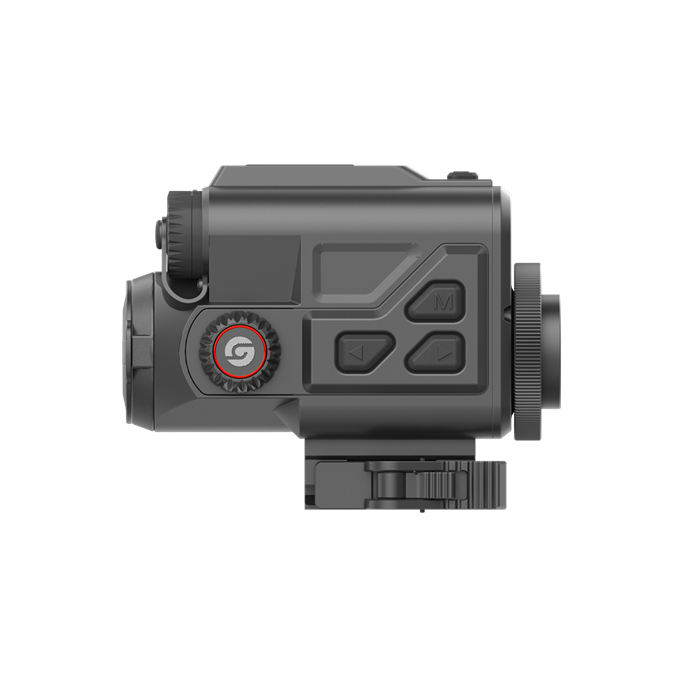
In the world of modern hunting and tactical shooting, technology plays a pivotal role in improving accuracy, visibility, and overall performance. One of the most debated topics among hunters and outdoor enthusiasts today is whether a clip-on thermal imaging attachment offers superior advantages compared to traditional scopes. Each option brings its unique features, benefits, and limitations. This article will explore the key differences between these two devices, helping you make an informed choice.
Understanding Clip-On Thermal Imaging Attachments
A clip-on thermal imaging attachment is a device designed to be mounted in front of an existing riflescope. Unlike traditional thermal riflescopes, which require dedicated mounting and optics, clip-on attachments leverage your current optical system. This setup allows users to switch between day and night modes without changing their primary scope.
Clip-on thermal imaging attachments work by detecting heat signatures from living creatures, objects, and environmental elements. These devices translate thermal radiation into a visual image, allowing hunters or shooters to see their target clearly in complete darkness, dense foliage, or adverse weather conditions. The ability to maintain your primary magnification while adding thermal capabilities makes clip-on systems an attractive option for many professionals and enthusiasts.
Advantages of Clip-On Thermal Imaging Attachments
One of the most significant benefits of a clip-on thermal imaging attachment is versatility. Since it can be used with an existing scope, you do not need to purchase an entirely new setup. This feature is especially valuable for hunters who already own high-quality optics.
Another advantage is the speed of deployment. Clip-on attachments allow a shooter to transition from daytime hunting to night operations seamlessly. Instead of swapping scopes or adjusting complex equipment, you simply attach or detach the thermal unit.
Furthermore, clip-on thermal imaging attachments often offer advanced features such as multiple color palettes, video recording, and digital zoom. These features provide enhanced situational awareness, target identification, and data recording capabilities that traditional scopes typically lack.
Limitations of Clip-On Thermal Imaging Attachments
While clip-on thermal imaging attachments offer many benefits, they are not without limitations. One potential drawback is the additional weight and bulk added to the rifle. Depending on the model, this can affect balance and comfort, especially during prolonged hunting trips.
Additionally, although these devices are versatile, their performance depends on the quality of the underlying scope. A low-quality riflescope paired with a high-end thermal attachment may not deliver the expected clarity or accuracy. Users also need to consider battery life, as thermal devices consume more power than standard optics, requiring careful management in the field.
Traditional Scopes: Tried and True Performance
Traditional scopes have been the standard in hunting and tactical shooting for decades. They rely on optical magnification and clarity, often with features such as variable zoom, reticles, and lens coatings to enhance performance. Traditional scopes excel in daylight conditions, providing high-resolution imagery and precision aiming capabilities.
Hunting with traditional scopes allows shooters to practice and refine their marksmanship. The optical design emphasizes clarity and accuracy over technological enhancements. This simplicity makes traditional scopes highly reliable, durable, and often lighter than thermal-equipped systems.
Advantages of Traditional Scopes
The primary advantage of traditional scopes is clarity. Modern scopes provide sharp, detailed images at long distances, which is crucial for precision shooting. They are less complex than electronic systems, meaning there is minimal risk of malfunction due to environmental factors like extreme temperatures or moisture.
Another benefit is cost. High-quality traditional scopes are generally more affordable than thermal imaging devices, making them accessible to a broader range of users. Traditional scopes also offer longer operational life since they rely on optics rather than electronics, reducing maintenance and replacement costs.
Limitations of Traditional Scopes
Traditional scopes, however, have limitations in low-light or no-light conditions. Without supplemental illumination, such as night vision or external light sources, visibility is significantly reduced at dawn, dusk, or during nighttime operations. Adverse weather conditions like fog, smoke, or heavy foliage can further limit effectiveness.
Unlike clip-on thermal imaging attachments, traditional scopes do not detect heat signatures. This limitation makes spotting hidden or camouflaged targets challenging, particularly in dense environments where thermal imaging can offer a decisive advantage.
Comparing Field Performance
When comparing clip-on thermal imaging attachments and traditional scopes in real-world scenarios, the difference is often contextual. In daylight hunting or open-field conditions, traditional scopes often outperform thermal devices in terms of resolution, color accuracy, and precision aiming. Hunters benefit from the optical clarity to make accurate long-range shots.
At night or in low-visibility conditions, however, clip-on thermal imaging attachments clearly excel. They allow for effective detection of animals, humans, or objects that would otherwise be invisible to the naked eye or through a standard scope. This capability is especially important for tactical operations, predator hunting, and security surveillance.
Cost Considerations
Cost is an important factor when choosing between these two options. Clip-on thermal imaging attachments generally represent a higher upfront investment due to their advanced technology and integration with existing optics. The price varies depending on brand, resolution, and additional features like recording and streaming capabilities.
Traditional scopes are usually more budget-friendly, particularly entry-level models. However, if you require night operation capabilities, adding separate night vision equipment may bring total costs closer to that of a clip-on thermal system. Evaluating your specific needs and operational environment is crucial when considering overall value.
Ease of Use and Learning Curve
Traditional scopes are generally easier for beginners to use. They require minimal technical knowledge beyond basic range estimation and sighting. Clip-on thermal imaging attachments, while designed for ease of use, require familiarity with digital controls, settings, and interpretation of thermal images. Training may be necessary to maximize their benefits effectively.
Durability and Maintenance
Durability is another key consideration. Traditional scopes, being mostly optical, are more resistant to harsh conditions and mechanical shocks. Clip-on thermal attachments contain delicate electronics, making them potentially more susceptible to damage from moisture, dust, or impact. Proper care and regular maintenance are essential to ensure reliable performance.
Conclusion
Choosing between a clip-on thermal imaging attachment and a traditional scope ultimately depends on your intended use, environment, and budget. For daytime hunting, long-range precision shooting, or cost-conscious users, traditional scopes remain a reliable and effective choice.
On the other hand, if night hunting, tactical operations, or low-visibility detection is a priority, a clip-on thermal imaging attachment offers unparalleled advantages. Its versatility, ability to integrate with existing scopes, and advanced features make it a valuable tool for modern hunters and professionals seeking a technological edge.
In many cases, combining both technologies—using a high-quality traditional scope during the day and a clip-on thermal attachment at night—provides the best of both worlds. By carefully assessing your requirements, you can select the system that maximizes performance, efficiency, and success in the field.
A clip-on thermal imaging attachment is no longer just an optional accessory—it is an investment in enhanced visibility, situational awareness, and precision. While traditional scopes remain timeless in their optical excellence, thermal technology is shaping the future of hunting and tactical shooting.
Would you like me to create a list of the best clip-on thermal imaging attachments currently available to complement this article? It could add practical value for readers.