
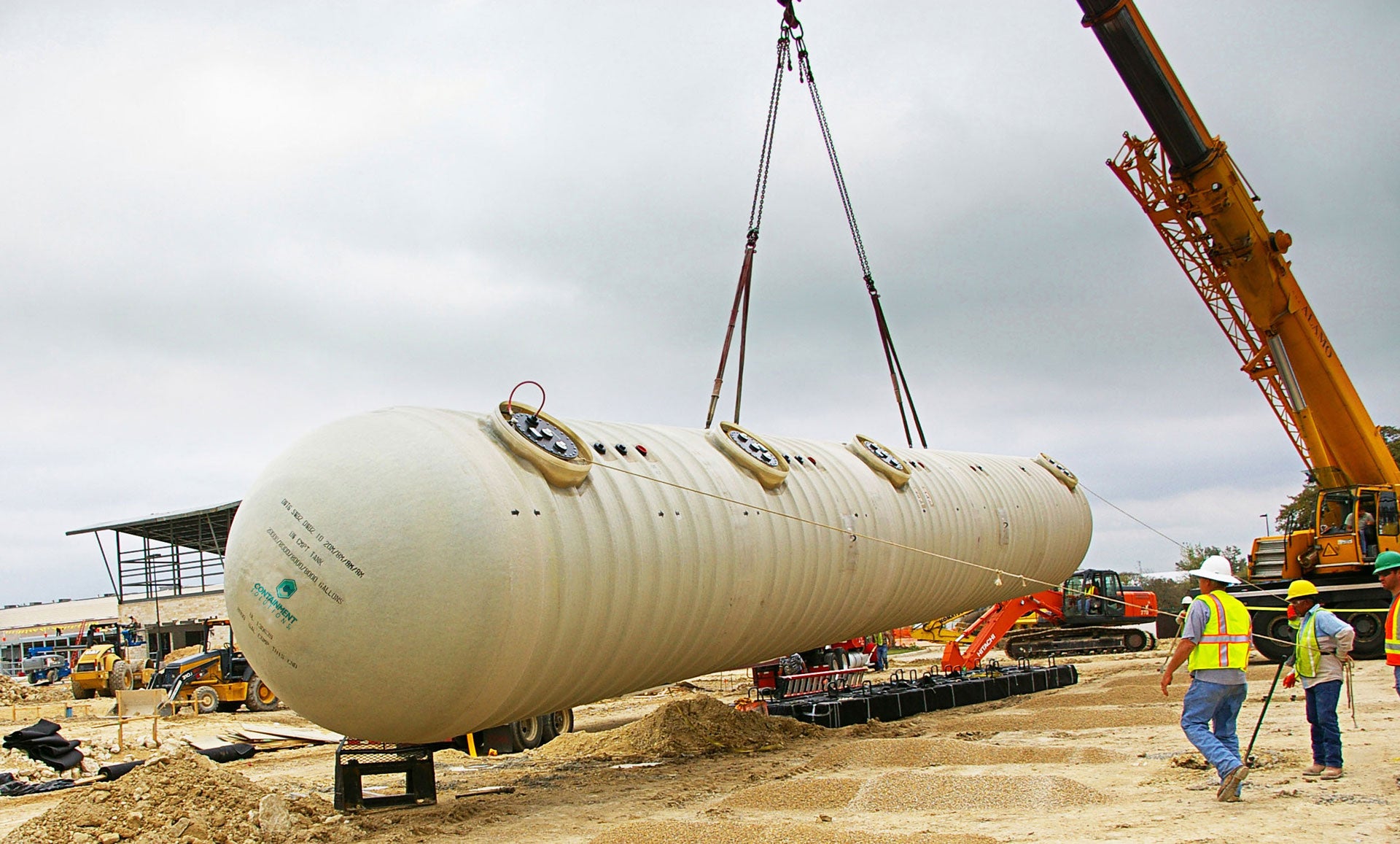
Industrial operations rely heavily on safe, efficient, and reliable storage systems to hold everything from raw chemicals and water to agricultural fertilizers and petroleum products. Choosing the right material for these storage tanks is one of the most critical financial and operational decisions a facility manager can make. While traditional materials like carbon steel and concrete have been used for decades, they come with significant hidden costs, primarily driven by ongoing maintenance, corrosion repair, and premature replacements. In recent years, Fiberglass Reinforced Plastic (FRP) or fiberglass tank systems have emerged as the gold standard for long-term durability and cost-efficiency. Understanding how fiberglass tank systems help reduce maintenance costs requires examining their unique material properties, their resistance to harsh environmental and chemical conditions, and their superior lifecycle economics.
Introduction to Industrial Storage Solutions
Every industrial facility faces the constant challenge of balancing operational efficiency with capital expenditure and operational expenditure. Storage tanks sit at the heart of many industrial processes, acting as buffers, supply reservoirs, or containment vessels. When a storage tank fails, leaks, or undergoes severe degradation, the consequences extend far beyond the immediate cost of repair. Operations may need to be halted, environmental remediation can be mandated, and safety hazards skyrocket.
Traditionally, industries turned to carbon steel because of its low initial purchase price. However, steel is inherently vulnerable to oxidation and chemical attack. To prevent steel from rusting away, facility managers must invest in continuous protective coatings, cathodic protection systems, and rigorous inspection schedules. Over a span of ten to twenty years, the cumulative maintenance cost of a steel tank can easily exceed its initial purchase price. Fiberglass tank systems change this economic equation fundamentally by providing a non-corrosive, highly durable alternative that drastically minimizes upkeep.
Why Material Choice Matters for Long-Term Savings
The financial health of an industrial plant depends significantly on minimizing downtime and maintenance overhead. The choice of tank material dictates how frequently a vessel must be inspected, repaired, coated, or replaced.
The Vulnerability of Traditional Materials
Carbon steel tanks react chemically with moisture, oxygen, and stored substances. Acids, caustics, and even certain types of treated water can rapidly eat away at interior linings and structural walls. Once a protective coating inside a steel tank develops a micro-crack or pinhole, corrosion begins underneath the coating, leading to pitting, structural weakening, and eventually catastrophic leaks. Fixing this requires confined space entry, abrasive blasting, re-coating, and lengthy downtime, all of which incur massive labor and material expenses.
Concrete tanks, while sturdy, are porous and susceptible to chemical attack, freeze-thaw cycles, and cracking. They require specialized sealants and liners that degrade over time and demand regular maintenance to prevent seepage.
The Superior Resilience of Fiberglass Reinforced Plastic (FRP)
Fiberglass tank systems consist of high-strength glass fibers embedded within a thermosetting polymer matrix, usually polyester, vinyl ester, or epoxy resin. This composite structure combines the tensile strength of glass with the chemical inertness of high-performance resins. Unlike metals, fiberglass does not rust, oxidize, or react electrochemically with its environment. It can be engineered with specific resin formulations tailored to withstand aggressive acids, alkalis, saline water, and organic solvents. Because the material is corrosion-resistant throughout its entire thickness rather than just on the surface, a scratch or minor surface scrape does not compromise the tank’s structural integrity or trigger runaway corrosion.
Key Ways Fiberglass Tanks Reduce Maintenance Expenses
Investing in fiberglass storage technology translates into direct, measurable savings across several operational categories.
Exceptional Corrosion Resistance
The single largest driver of tank maintenance costs is corrosion. In chemical processing, wastewater treatment, and marine applications, corrosive agents constantly attack containment vessels. Steel tanks require continuous monitoring of internal linings and sacrificial anodes. Fiberglass tanks eliminate the need for corrosion-inhibiting coatings and internal linings. Because the resin and glass matrix naturally resist chemical degradation, facilities save thousands of dollars annually on recoating projects, corrosion monitoring consultants, and lining inspections.
Structural Integrity and Longevity
Fiberglass tanks offer an impressive operational lifespan, often exceeding thirty years with minimal intervention. Their high strength-to-weight ratio ensures they withstand external soil pressures when buried underground or high winds when installed outdoors. Because they do not experience structural thinning due to rust, their load-bearing capacity remains stable throughout their lifecycle. This eliminates the need for expensive structural reinforcement, wall-thickness testing via ultrasonic meters, or premature decommissioning.
Low Repair and Coating Frequency
Maintaining a traditional metal tank involves a predictable cycle of draining, cleaning, inspecting, blasting, priming, and painting every few years. These maintenance windows disrupt production and tie up maintenance crews. Fiberglass tanks require virtually no exterior painting or interior lining maintenance. Routine inspections are faster and less intensive, as technicians do not have to hunt for hidden subsurface corrosion pockets. Consequently, labor hours dedicated to tank upkeep drop dramatically.
Sourcing Reliable Manufacturing: Pabrik Tangki Fiber Berkualitas di Indonesia
As industries worldwide recognize the long-term economic and environmental benefits of composite storage, the demand for premium-grade fiberglass tanks has surged. For businesses operating in Southeast Asia and looking for world-class engineering standards, partnering with a trusted Pabrik Tangki Fiber Berkualitas di Indonesia ensures access to locally fabricated, custom-engineered solutions that comply with international quality and safety benchmarks such as ASTM, ASME, and ISO standards.
Sourcing tanks from an experienced Indonesian manufacturer provides several strategic advantages. Local fabrication reduces heavy logistics and international shipping costs for regional projects while supporting rapid delivery timelines. Furthermore, reputable local manufacturers utilize advanced winding technologies and superior vinyl ester resins capable of handling extreme industrial environments. By working closely with specialized fabricators, plant managers can design tanks tailored precisely to their capacity, pressure, and chemical compatibility requirements, maximizing cost efficiency right from the installation phase.
Conclusion
Industrial maintenance budgets are under constant scrutiny, and facility managers are continually tasked with finding ways to reduce operational expenditures without compromising safety or productivity. Traditional storage materials like carbon steel impose a heavy financial burden through continuous corrosion mitigation, protective coatings, lining replacements, and frequent downtime.
Fiberglass tank systems offer a definitive solution to these challenges. By leveraging advanced composite technology that resists chemical attack, eliminates rust, and delivers decades of reliable service, businesses can drastically cut their ongoing maintenance costs. Whether storing potable water, aggressive industrial chemicals, or wastewater, transitioning to fiberglass represents a smart, future-proof investment. Combined with the expertise and reliability offered by a trusted Pabrik Tangki Fiber Berkualitas di Indonesia, modern industrial facilities can secure durable, low-maintenance storage solutions that protect their bottom line for years to come.