
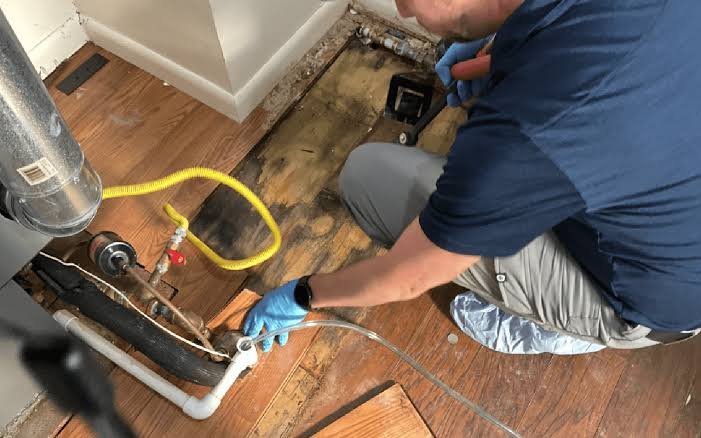
Dealing with sudden water intrusion—whether from a burst pipe, severe storm, sewage backup, or appliance overflow—is one of the most stressful situations a property owner can face. Water causes rapid destruction, eroding structural elements, ruining flooring, destroying personal possessions, and creating an ideal environment for dangerous mold growth within 24 to 48 hours.
When emergency strikes, time is critical. However, rushing into a contract with the first company you find online without proper preparation can lead to inadequate repairs, inflated bills, or potential insurance claim denials. Taking a structured approach before making that emergency call ensures your home is safe, your insurance claim is protected, and you choose a qualified, professional team. Here are the essential steps you should take before hiring a water damage cleanup service.
1. Prioritize Safety First
Before assessing damage or contacting contractors, ensure the property is safe to enter. Standing water and saturated building structures pose significant health and physical risks.
Turn Off the Power and Gas
Water and electricity are a deadly combination. If it is safe to reach your circuit breaker without walking through standing water, shut off the main power supply immediately. If the main breaker is located in a flooded area, contact your electric utility company to disconnect power remotely. Similarly, turn off the gas line if you suspect any leaks or severe structural shifting.
Stop the Water Source
If the water intrusion is coming from an internal source, such as a plumbing line, water heater, or washing machine, locate your main water shut-off valve and turn it off right away. Stopping the flow prevents further secondary damage while you organize cleanup efforts.
Beware of Contaminated Water and Structural Hazards
Water damage falls into three primary categories:
- Category 1 (Clean Water): Originates from clean sources like broken water pipes or sink overflows.
- Category 2 (Grey Water): Contains significant contamination from sources like dishwasher overflow or washing machine discharge.
- Category 3 (Black Water): Highly hazardous water from sewage backups, river flooding, or standing water that has grown bacteria.
If you are dealing with grey or black water, wear protective gear including rubber boots, gloves, and masks. Avoid stepping under saggy drywall or ceilings, as weight from trapped water can cause sudden collapses.
2. Document the Damage Thoroughly
Before any restoration crew begins tearing out carpet, removing drywall, or pumping out water, you must capture comprehensive evidence of the damage. This documentation serves as the foundation for your property insurance claim.
Take Detailed Photos and Videos
Walk through every affected area with your phone camera. Capture high-resolution photos and wide-angle videos showing:
- The original source of the water (e.g., the burst pipe or leaking appliance).
- The extent of water standing on floors or carpets.
- Water marks on walls, baseboards, and furniture legs.
- Structural damage to ceilings, doors, and cabinets.
- Damaged personal belongings, electronics, clothing, and furniture.
Create an Inventory of Affected Items
Make a detailed list of all damaged personal property. Write down model numbers, approximate purchase dates, and estimated values whenever possible. Keep damaged items until an insurance adjuster inspects them, unless they pose an immediate health hazard.
3. Contact Your Insurance Company
Notifying your homeowners or commercial property insurance provider is a critical early step. Most insurance policies require immediate notification following a loss.
Review Your Coverage
Standard homeowners policies generally cover sudden and accidental internal water damage, such as a burst pipe. However, damage caused by natural flooding or sewer backups usually requires specific add-on endorsements or separate flood insurance policies. Ask your policy representative to clarify what specific losses are covered under your plan.
Ask for Guidance and Preferred Vendors
Your insurance representative can open a claim and assign an adjuster to evaluate your property. Insurance companies often maintain lists of preferred contractors. While you are generally not obligated to use their recommended vendors, using an approved contractor can sometimes streamline the billing and claims process.
4. Perform Initial Emergency Mitigation
While waiting for professional help to arrive, you can take reasonable steps to prevent further damage—a requirement in almost all property insurance policies.
Remove Standing Water and Moisture (If Safe)
If the water is clean (Category 1) and safe to handle, use a wet/dry vacuum, mops, or towels to remove excessive surface water. Open interior doors and windows if weather permits to encourage airflow.
Elevate Furniture and Valuables
Place aluminum foil, plastic wrap, or wooden blocks under furniture legs to keep them off damp carpet or hardwood. Move lightweight furniture, rugs, electronics, and valuable items to dry areas of the building.
Avoid Using Standard Home Appliances
Never use a standard household vacuum cleaner to pick up water, as this creates an electrical hazard and can destroy the appliance. Avoid turning on ceiling fans or HVAC units if you suspect electrical damage or if mold spores may spread through the air ducts.
5. Research and Evaluate Water Damage Cleanup Services
Choosing the right company determines how quickly and safely your property recovers. Do not settle for the first result in an online search without verifying credentials.
Check Certifications and Licensing
Look for contractors certified by the Institute of Inspection, Cleaning and Restoration Certification (IICRC). IICRC-certified technicians undergo rigorous training in moisture control, structural drying, and psychrometrics (the science of drying).
Verify Insurance and Guarantees
Ensure the service provider holds comprehensive general liability insurance and workers’ compensation coverage. Ask for proof of insurance before work begins to protect yourself from liability if a technician is injured on your property.
Read Reviews and Request Local References
Check independent online review platforms, local business listings, and customer testimonials. Ask neighbors, friends, or your local insurance agent for trusted recommendations. Look for companies with established local track records and positive feedback regarding punctuality, communication, and fairness.
6. Obtain Written Estimates and Detailed Contracts
Before signing any agreements or authorizing work, ensure you understand the scope of service and cost structure.
Request an On-Site Assessment
Reputable contractors will inspect your property using moisture meters and thermal imaging cameras to determine the full extent of hidden water damage before providing an estimate.
Review Itemized Estimates
An itemized estimate should outline specific services, including:
- Water extraction and sewage removal.
- Structural drying and dehumidification equipment setup.
- Antimicrobial treatments and odor removal.
- Material removal (drywall, insulation, carpet padding).
Understand the Payment Terms
Avoid companies that demand full payment upfront or require cash-only transactions. Professional contractors routinely work directly with insurance companies or offer structured payment milestones tied to project progress.
Final Thoughts
Experiencing property flooding is a stressful event, but acting systematically can prevent long-term structural harm and financial loss. By ensuring immediate safety, taking thorough photographic documentation, notifying your insurance company, and carefully vetting your contractor, you set the stage for a smooth restoration process. Taking these practical preparation steps ensures that your chosen water damage cleanup service can work efficiently to restore your home or business safely, completely, and without unnecessary delays.