
Understanding SEO services pricing is important for businesses that want to improve their online visibility without wasting their marketing budget. Search engine optimization seo services pricing is a long-term strategy that can increase organic traffic, attract qualified visitors, and support business growth. However, the cost of SEO can vary significantly depending on the services required, website size, competition, industry, and overall marketing goals.
There is no universal price for professional SEO because every website has different needs. A small local business may require a completely different strategy from a large e-commerce store or an international company. Understanding the factors behind SEO costs can help businesses choose an appropriate strategy and evaluate SEO providers more effectively.
What Is Included in Professional SEO Services?
Professional SEO usually involves several activities designed to improve a website’s visibility in search engines. These may include keyword research, technical optimization, content development, on-page improvements, link building, competitor analysis, local SEO, and performance monitoring.
The amount of work required for each activity affects the overall investment. A website that needs only basic on-page improvements may require fewer resources than a website with technical problems, hundreds of pages, and strong competitors.
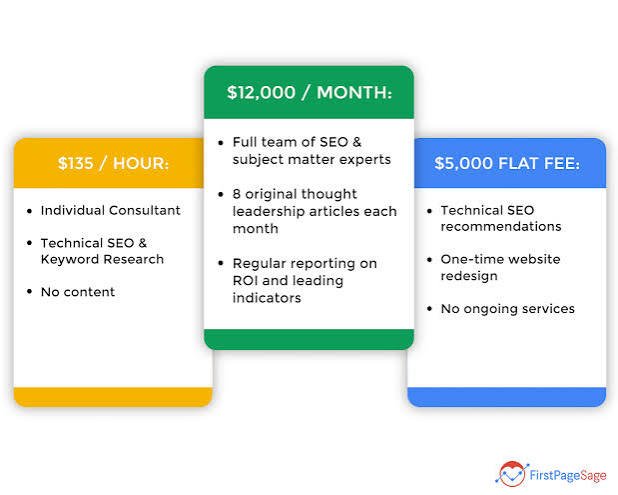
Professional SEO providers may offer monthly packages, customized campaigns, hourly consulting, or project-based services. The right pricing model depends on the website’s goals and the complexity of the work.
Website Size and Complexity
One of the biggest factors affecting SEO costs is the size and complexity of a website. A small business website with a limited number of pages is generally easier to audit and optimize than a large website with thousands of products or service pages.
Larger websites require more keyword research, content planning, technical analysis, internal linking, and ongoing monitoring. E-commerce websites can be particularly complex because they often contain product categories, filters, variations, and large inventories.
As the number of pages and technical requirements increases, the amount of professional work also increases. This is why businesses should expect pricing to reflect the actual scope of their website.
Industry Competition
Competition plays a major role in determining SEO services pricing. Ranking for a highly competitive keyword can require significantly more effort than ranking for a specific, low-competition search term.
For example, industries such as finance, legal services, insurance, real estate, and technology can have many established websites competing for valuable keywords. Businesses operating in competitive markets may need stronger content strategies, more comprehensive optimization, and consistent authority-building efforts.
Less competitive industries may achieve meaningful results with a smaller campaign. Therefore, SEO pricing should be considered in relation to the level of competition rather than simply the number of services included in a package.
Keyword Targets and Search Intent
The keywords a business wants to target also influence the cost of SEO. A campaign focused on a handful of specific long-tail keywords may require less research and content than a campaign targeting hundreds of commercial and informational terms.
Search intent is equally important. SEO professionals need to understand whether users are looking for information, comparing products, researching services, or preparing to make a purchase.
Creating pages that satisfy different types of search intent can require extensive research and content development. A comprehensive keyword strategy therefore contributes to the overall cost of professional SEO.
Technical SEO Requirements
Technical SEO focuses on the underlying structure and performance of a website. Common areas include crawlability, indexing, page speed, mobile usability, redirects, structured data, canonicalization, broken links, and website architecture.
Some websites have only minor technical issues, while others require extensive improvements. Fixing technical problems may involve SEO specialists, developers, designers, and content teams.
If a website has significant technical problems, the initial SEO investment may be higher because more time is needed to identify and resolve the issues. However, addressing these problems can create a stronger foundation for future organic growth.
Content Creation and Optimization
High-quality content is an important part of modern SEO. Businesses often need optimized service pages, product descriptions, blog posts, guides, FAQs, and other resources to attract relevant search traffic.
SEO pricing can increase when a campaign includes ongoing content creation. The cost depends on the number of articles or pages, research requirements, subject complexity, editorial standards, and optimization involved.
Existing content may also need to be updated, expanded, or reorganized. Content optimization can include improving headings, keywords, internal links, readability, search intent alignment, and helpful information.
Link Building and Authority Development
Link building can also influence SEO services pricing. Earning relevant links from reputable websites requires research, outreach, content development, relationship building, and quality control.
The effort required depends on the campaign’s goals and industry. A business competing for difficult keywords may need a stronger authority-building strategy than a local business targeting a small geographic area.
Quality should remain more important than simply obtaining a large number of links. Businesses should evaluate whether an SEO provider follows sustainable practices and focuses on relevance and credibility.
Local SEO Requirements
Local businesses may require specialized SEO services to improve visibility in location-based searches. Local SEO can involve optimizing business information, local landing pages, reviews, citations, maps visibility, and locally relevant content.
A company serving one city may have a simpler campaign than a business operating across multiple regions. Multi-location companies often require location-specific pages and strategies, increasing the amount of work involved.
SEO Experience and Service Quality
The expertise of an SEO provider can affect pricing. Experienced professionals may charge more because they bring specialized knowledge, strategic planning, analytical skills, and experience handling complex websites.
However, a higher price does not automatically guarantee better results. Businesses should evaluate the provider’s methodology, communication, reporting, transparency, and understanding of their industry.
Instead of choosing an SEO service solely because it is inexpensive, businesses should consider what they are actually receiving for the investment.
Reporting and Ongoing Management
SEO is not usually a one-time activity. Search results change, competitors publish new content, algorithms evolve, and websites are regularly updated. Ongoing monitoring helps businesses identify opportunities and potential problems.
Professional SEO packages may include regular reporting, keyword tracking, traffic analysis, technical monitoring, competitor research, and strategy adjustments. These ongoing activities can contribute to monthly SEO costs.
Clear reporting is particularly important because it allows businesses to understand what work has been completed and how the campaign is progressing.
How to Choose the Right SEO Investment
Businesses should begin by defining their objectives before comparing prices. The goal might be increasing organic traffic, generating leads, improving local visibility, increasing online sales, or building long-term brand authority.
After establishing goals, businesses can evaluate the website’s current condition, competition, target audience, and required services. This makes it easier to determine an appropriate budget.
Avoid choosing an SEO package simply because it offers the largest number of backlinks, pages, or keywords. A smaller, strategically focused campaign can sometimes provide more value than a large package filled with unnecessary services.
Final Thoughts
SEO services pricing depends on many factors, including website size, competition, keyword difficulty, technical requirements, content needs, link-building strategies, location targeting, and ongoing management. Because every business has different requirements, professional SEO costs can vary considerably.
The best approach is to view SEO as a long-term investment rather than a simple expense. A well-planned campaign focuses on relevant traffic, useful content, technical quality, strong user experiences, and sustainable organic growth. By understanding what determines SEO pricing, businesses can compare providers more intelligently and select a strategy that matches their goals and budget.