
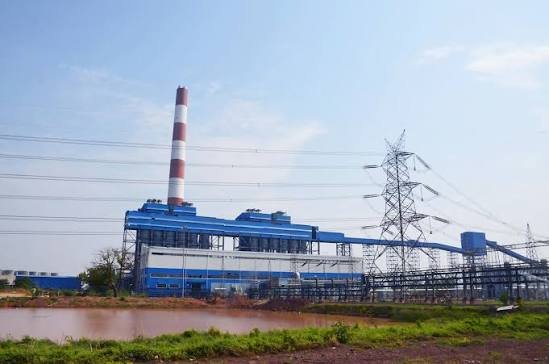
As electricity demand continues to grow, many power generation facilities need to expand their capacity without replacing their entire infrastructure. This is where power plant extension turnkey become an effective solution. A well-planned extension can increase generation capacity, improve operational flexibility, and modernize selected parts of an existing facility while maintaining a practical approach to cost and construction.
RUNH POWER provides engineering and project solutions for power plant development and extension requirements. With a turnkey approach, multiple stages of a project can be coordinated under one structured framework, helping simplify communication, improve project integration, and support a smoother transition from planning to operation.
Understanding Power Plant Extension Turnkey Projects
A power plant extension project involves adding new generation capacity or supporting systems to an existing power facility. Depending on the requirements, an extension may include new generating units, boilers, turbines, electrical systems, auxiliary equipment, control systems, cooling infrastructure, and other supporting facilities.
The term “turnkey” refers to an integrated project approach in which major responsibilities are coordinated from engineering and procurement through construction, installation, commissioning, and handover. Instead of managing every stage independently, the plant owner can work within a more unified project structure.
For complex facilities, this approach can help reduce coordination challenges between different technical disciplines and contractors.
Initial Planning and Project Assessment
Successful power plant extension turnkey projects begin with detailed planning. Before engineering work starts, the existing facility must be evaluated to determine how the proposed expansion can be integrated with current infrastructure.
Important considerations include existing generation capacity, available land, fuel requirements, electrical connections, water systems, cooling arrangements, equipment condition, and operational limitations.
RUNH POWER can support project planning by considering the technical requirements of both the existing plant and the proposed extension. A comprehensive assessment helps identify potential integration challenges at an early stage, allowing engineers to develop practical solutions before construction begins.
The planning phase should also establish project objectives, expected capacity, performance requirements, construction conditions, and the desired commissioning schedule.
Engineering and System Integration
Engineering is one of the most important stages of a power plant extension. New equipment must work effectively with existing systems, which requires careful technical coordination.
Engineering activities may cover process design, mechanical systems, electrical systems, instrumentation, control systems, civil works, and auxiliary facilities. The small capacity thermal power plant solutions design must account for the physical and operational characteristics of the existing plant.
For example, a new generation unit may require modifications to electrical connections, fuel supply systems, cooling infrastructure, water treatment facilities, and control arrangements. Proper engineering ensures these interfaces are considered before equipment installation begins.
RUNH POWER’s integrated approach can help coordinate different engineering disciplines within the overall project structure. This supports better communication between technical teams and helps maintain consistency throughout project development.
Equipment Procurement and Quality Control
After the engineering requirements are established, procurement becomes a major part of the project. Power plant equipment must meet defined technical specifications, performance requirements, and project standards.
Procurement planning should consider equipment availability, manufacturing schedules, transportation requirements, inspection procedures, and installation conditions. Delays in critical equipment can affect the entire construction schedule, making supply-chain coordination essential.
Quality control is equally important. Equipment should be inspected according to project requirements before delivery and installation. Proper documentation and verification help ensure that components are suitable for their intended applications.
With RUNH POWER involved in the turnkey process, procurement activities can be coordinated with engineering and construction requirements rather than being treated as isolated tasks.
Construction and Installation
Construction is where engineering plans are transformed into physical infrastructure. Power plant extension projects can be challenging because construction often takes place close to an operating facility.
Work schedules must therefore consider existing plant operations, safety requirements, access restrictions, equipment movement, and connections between new and existing systems.
Civil construction may include foundations, buildings, structural works, roads, equipment platforms, and other infrastructure. Mechanical and electrical installation then brings the major plant systems together.
Effective project management is essential during this stage. Regular coordination between engineering, procurement, construction, and plant personnel helps address issues quickly and maintain progress.
Commissioning and Performance Testing
Commissioning is the stage when newly installed systems are prepared for actual operation. It involves inspections, equipment checks, system testing, functional verification, and controlled startup procedures.
Individual systems may first be tested separately before being integrated into the complete plant. Control systems, electrical equipment, mechanical systems, and auxiliary facilities all need to perform according to their specified requirements.
Performance testing provides an opportunity to verify whether the completed extension meets the agreed technical objectives. Any identified issues can be investigated and corrected before final handover.
A structured commissioning process is particularly important when a new extension must operate alongside an existing generation facility.
Safety and Environmental Considerations
Safety should remain a priority throughout every stage of a power plant extension project. Planning must account for construction hazards, electrical risks, heavy equipment movement, high-temperature systems, confined spaces, and other site-specific conditions.
Environmental considerations are also important. Depending on the project, these may involve emissions management, water usage, waste handling, noise control, and efficient resource utilization.
RUNH POWER can incorporate technical and operational considerations into project planning to support responsible development and reliable plant performance.
Benefits of a Turnkey Approach
A turnkey structure offers several practical advantages for complex power plant extensions. Centralized project coordination can make it easier to manage engineering, procurement, construction, installation, and commissioning as connected activities.
It can also provide clearer responsibility across project stages. When technical interfaces are managed within an integrated framework, potential conflicts between different project activities can be identified earlier.
Another benefit is schedule coordination. Engineering decisions, equipment procurement, and construction planning can be developed around the same project objectives, helping reduce unnecessary delays.
For plant owners, this can make the overall project process easier to monitor from the initial concept through final commissioning.
Why Project Coordination Matters
A power plant extension is more than simply adding new equipment. It requires the successful integration of new systems with existing infrastructure. Even a large capacity power plant for cement plant technically advanced component may create operational difficulties if its interfaces are not properly considered.
This is why coordination should continue throughout the project lifecycle. Engineering teams, procurement specialists, construction personnel, commissioning engineers, and plant operators all have important roles.
RUNH POWER’s turnkey project approach focuses on connecting these stages into a coordinated process. By addressing engineering, equipment, construction, and commissioning requirements together, the project can be developed with greater attention to overall system integration.
Conclusion
Power plant extension turnkey projects require careful planning, detailed engineering, coordinated procurement, controlled construction, and thorough commissioning. Every stage contributes to the final performance and reliability of the expanded facility.
From assessing existing infrastructure to integrating new equipment and completing performance testing, a structured approach can help manage the technical complexity of power plant expansion.
RUNH POWER supports power generation projects with integrated engineering and turnkey solutions designed around specific project requirements. By coordinating multiple project stages within one framework, RUNH POWER helps plant owners move from initial planning toward successful project completion and dependable power generation.