
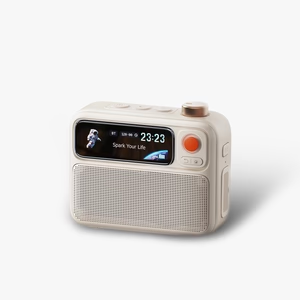
A bedroom should be more than a place to sleep. It can serve as a personal retreat where you unwind after a demanding day, read a book, listen to calming music, or prepare yourself for restful sleep. Every element in the room contributes to this atmosphere, including lighting, bedding, furniture, colors, and technology. Among these details, a bedside speaker can provide both practical functionality and an enjoyable sensory experience.
The right speaker can make it easier to listen to soft music, nature sounds, podcasts, audiobooks, or guided relaxation sessions without requiring a phone to remain in your hand. However, choosing the right model involves more than looking at sound quality. Its size, controls, appearance, connectivity, and additional features can all influence how well it fits into a relaxing bedroom environment.
Understanding the Role of a Bedside Speaker
A bedside speaker is designed to provide convenient audio access from a location close to the bed. Unlike larger home audio systems, these compact devices can fit comfortably on a nightstand, shelf, dresser, or small bedside table.
Their primary advantage is convenience. Instead of reaching across the room to adjust an audio system, you can control sound directly from the bedside. This makes the speaker particularly useful during nighttime routines.
Audio can also influence the overall feeling of a room. Soft instrumental music can create a peaceful atmosphere, while gentle nature sounds may help establish a relaxing background. An audiobook or podcast can also become part of a consistent bedtime routine.
The goal is not necessarily to create powerful, room-filling audio. In a bedroom, balanced and comfortable sound is often more valuable than extreme volume.
Choosing the Right Sound Quality
Sound quality should be one of the first considerations when selecting a bedside speaker. Since the device will typically be used at relatively low volumes, it should produce clear and balanced audio without harshness or distortion.
A good speaker should make voices easy to understand, whether you are listening to an audiobook, podcast, or meditation session. Music should also sound pleasant without excessive bass or sharp high frequencies.
Room size matters as well. A compact bedroom generally does not require a large speaker. A smaller model with good sound dispersion may be more suitable because it can provide sufficient audio without overwhelming the space.
For nighttime use, volume control is especially important. Precise low-volume adjustment allows you to keep the sound subtle and comfortable rather than jumping suddenly from quiet to loud.
Considering Size and Bedroom Layout
A relaxing bedroom should feel organized rather than crowded. For this reason, the physical size of a bedside speaker deserves careful consideration.
Before purchasing one, look at the available space on your nightstand. A compact speaker can leave room for other essentials such as a lamp, glasses, books, or a phone. Larger models may offer stronger audio but could make a small bedside area feel cluttered.
The speaker’s shape can also influence placement. A simple design that fits naturally beside existing furniture will contribute to a cleaner appearance. Wireless models can be particularly helpful because they reduce the number of cables running across the nightstand.
Think about where the speaker will be positioned in relation to your bed. Ideally, its controls should be accessible, and its sound should reach the listener without requiring excessive volume.
Creating a Calm Nighttime Routine
Technology can sometimes make bedrooms feel overly stimulating, but a thoughtfully selected bedside speaker can support a calmer routine.
For example, you might create a regular sequence that begins with dimming the lights, putting away work devices, and playing quiet music. Over time, repeating the same routine can help create a clear transition between daytime activities and nighttime relaxation.
A speaker can also support activities such as meditation, breathing exercises, stretching, or reading. Instead of continuously checking a smartphone for audio controls, you can use a dedicated device positioned beside the bed.
The content you play matters just as much as the hardware. Slow instrumental tracks, rainfall, ocean sounds, white noise, or gentle spoken content may be more appropriate before sleep than energetic music or highly stimulating entertainment.
Looking for Simple Controls
Ease of use is an important feature for any bedside device. Complex menus and difficult controls can become frustrating when you are tired or already comfortable in bed.
Look for controls that are easy to understand. Buttons or touch controls for volume, playback, and power should be straightforward. If the speaker supports a mobile application, the app should ideally complement the physical controls rather than making basic functions dependent on a phone.
Some people may also appreciate voice-control compatibility, while others prefer completely manual operation. The best choice depends on your personal habits.
A useful principle is simplicity. A bedside speaker should make relaxation easier, not introduce another complicated technology routine.
Matching the Speaker With Bedroom Décor
Functionality is important, but appearance also contributes to the atmosphere of a bedroom. A speaker that looks out of place can interrupt an otherwise carefully designed interior.
Modern bedside speakers are available in a variety of shapes, materials, and finishes. Choosing one that complements the existing furniture can help it blend naturally into the room.
For a minimalist bedroom, a simple and understated design may work particularly well. A more decorative room could accommodate a speaker with a distinctive appearance.
Some devices also incorporate displays, lighting, or visual elements. These features can be attractive, but brightness should be considered carefully. A glowing screen or indicator light may be distracting in a dark room, so adjustable brightness or display controls can be valuable.
Connectivity for Everyday Convenience
Wireless connectivity can make a bedside speaker much easier to use. Bluetooth, Wi-Fi, or other connection options allow you to stream content without placing the speaker directly beside another device.
Bluetooth can be useful for quick connections from a smartphone or tablet. Wi-Fi-enabled speakers may offer additional streaming capabilities, depending on the platform and model.
It is also worth considering how reliably the speaker reconnects to devices. A product that requires repeated setup every night can undermine the convenience it is supposed to provide.
If you regularly use streaming services, podcasts, or audiobooks, check that your preferred method of accessing content works smoothly with the speaker.
Using Smart Features Thoughtfully
Some bedside speakers offer features beyond conventional audio playback. Depending on the model, these may include alarms, clocks, timers, ambient lighting, sleep sounds, or smart-home integration.
These features can turn a simple speaker into a multifunctional bedroom companion. An alarm combined with gentle audio, for example, may make the morning routine feel more pleasant.
However, more features do not automatically mean a better experience. A bedroom is a place where simplicity can be valuable. Choose functions that genuinely support your routine rather than adding unnecessary distractions.
Managing Light and Noise at Night
A relaxing bedroom environment depends heavily on controlling sensory stimulation. Sound should be comfortable, but lighting deserves equal attention.
If your bedside speaker has a display or decorative lighting, make sure brightness can be reduced or turned off when you sleep. This is particularly important for people who prefer a dark sleeping environment.
Likewise, avoid positioning the speaker where vibrations could transfer into a nightstand or wall. Even a good speaker can become annoying if its physical placement creates unwanted rattling.
The ideal setup should become almost unnoticeable once you settle into bed. You should hear the audio you want without constantly being reminded that a device is operating nearby.
Making the Bedside Area More Peaceful
A speaker works best as part of a broader bedroom design rather than as an isolated gadget. Keep the area around it organized and avoid filling the nightstand with unnecessary technology.
Pair the speaker with warm, comfortable lighting and uncluttered surfaces. Keep charging cables organized and place frequently used items within easy reach.
You can also establish different audio routines for different situations. Gentle music may work during reading, nature sounds may be appropriate during relaxation, and an audiobook might become part of your bedtime routine.
This approach turns the bedside area into a purposeful space rather than simply another location for electronics.
Finding the Right Balance Between Technology and Comfort
The best bedroom technology does not demand constant attention. A well-chosen bedside speaker should quietly support the environment while allowing the room itself to remain the focus.
Consider how often you will use it, what type of audio you prefer, how much space is available, and whether additional functions are genuinely useful. Prioritize comfortable sound, simple controls, suitable size, reliable connectivity, and a design that complements your décor.
Ultimately, the purpose of adding a bedside speaker is not to fill the bedroom with technology. It is to make everyday routines more convenient and enjoyable while supporting an atmosphere of comfort.
Conclusion
Designing a relaxing bedroom involves thoughtful choices about everything from furniture and lighting to sound and technology. A bedside speaker can become a useful part of this environment when selected according to the room’s layout and your personal nighttime habits.
The ideal speaker should provide pleasant low-volume audio, convenient controls, reliable connectivity, and an appearance that fits naturally into the bedroom. Additional features such as alarms, timers, lighting, or sleep sounds can add value when they genuinely support your routine.
By combining the right audio device with comfortable furnishings, soft lighting, an organized bedside area, and calming habits, you can create a bedroom that feels more peaceful and welcoming. A carefully chosen speaker is not simply an electronic accessory—it can become a small but meaningful part of a daily ritual designed to help you slow down, relax, and enjoy a more comfortable end to the day.