
When it comes to designing a functional kitchen, ventilation is just as important as your stove, countertops, and cabinetry. Without proper ventilation, your kitchen can become filled with smoke, steam, and cooking odors, making it unpleasant to work in and difficult to maintain. A good range hood not only improves air quality but also complements the design of your kitchen, making it a key component in both aesthetics and functionality.
Choosing the right range hood can be challenging with so many options available on the market. However, with a few important considerations, you can find the perfect range hood to match both your cooking style and kitchen design.
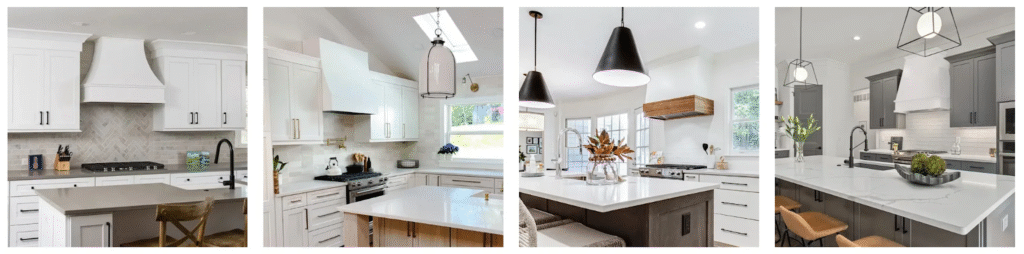
1. Understanding Your Kitchen’s Ventilation Needs
Before diving into the types of range hoods available, it’s essential to understand the ventilation needs of your kitchen. The type of cooking you do, the size of your kitchen, and whether you can vent the air outside are all important factors in choosing the right range hood.
If you do a lot of frying, grilling, or high-heat cooking, you’ll need a more powerful hood that can efficiently remove smoke and grease from the air. In kitchens with lower ceilings or smaller spaces, a compact and quieter hood may be more appropriate. A hood kitchen range can offer strong performance while maintaining a sleek design, perfect for kitchens with open layouts that need both style and powerful airflow.
2. Types of Range Hoods
There are several different types of range hoods to choose from, each suited for different kitchen layouts and ventilation needs. Whether you prefer a classic design or a more modern, minimalist style, there’s a range hood for every type of kitchen.
- Wall-Mounted Range Hoods: These hoods are installed directly onto the wall above your stove and are ideal for kitchens with open layouts. They offer great performance and can also act as a focal point in your kitchen’s design.
- Under-Cabinet Range Hoods: If you have overhead cabinets, an under-cabinet range hood will keep your kitchen looking clean and streamlined while providing powerful ventilation. These hoods are perfect for smaller spaces and can easily fit into tight spots.
- Island Range Hoods: For kitchens with an island or cooktop located in the center of the room, island range hoods are a great choice. These hoods are suspended from the ceiling, providing efficient ventilation without taking up valuable counter space.
If your kitchen lacks the ability to vent air outside, ductless range hoods are a great alternative. These hoods use carbon or charcoal filters to capture grease, smoke, and odors, then recirculate clean air back into the kitchen. They are ideal for apartments or kitchens where venting through the walls or ceiling is not an option.
3. How to Match Your Range Hood with Your Kitchen Style
The design of your range hood can be as important as its performance, especially in modern kitchens where style plays a key role. If you’re looking for a range hood that complements your kitchen’s aesthetic, consider how it fits into the overall theme of the space.
For kitchens with a minimalist design, a black range hood can add a sophisticated touch. The dark finish contrasts beautifully with lighter cabinetry and countertops, creating a sleek, modern look. Whether your kitchen features stainless steel appliances, wooden accents, or clean, white finishes, a black range hood can seamlessly blend into the overall design while adding an element of boldness.
In addition to its aesthetic value, a black range hood is also practical. Its dark finish helps to hide fingerprints, grease marks, and stains, making it easier to maintain. This allows you to focus on cooking rather than worrying about cleaning your range hood every time you use it.
4. Performance and Noise Considerations
While design is important, it’s essential not to overlook the performance of your range hood. The primary function of a range hood is to remove smoke, steam, and odors from your kitchen, so you’ll want one that has the right amount of power for your needs.
The airflow capacity of a range hood is measured in cubic feet per minute (CFM), and choosing the right CFM is essential for efficient ventilation. Higher CFM is ideal for kitchens where heavy cooking takes place, while a lower CFM may be suitable for lighter cooking tasks. Additionally, consider the noise level of the range hood. A quieter motor ensures you won’t be distracted by the sound of the fan while preparing meals.
Modern ductless range hoods are designed to be quiet yet powerful, allowing you to cook in peace without sacrificing ventilation quality.
5. Regular Maintenance for Longevity
To keep your range hood performing at its best, regular maintenance is essential. Depending on the type of range hood you have, cleaning and replacing filters should be part of your routine. Grease filters should be cleaned monthly, while carbon filters in ductless systems need to be replaced every 3-6 months.
Proper maintenance not only ensures that your range hood works efficiently but also extends its lifespan. Keeping your range hood clean will also help maintain air quality in your kitchen, preventing grease and dust buildup that can lead to unpleasant odors and reduced airflow.
6. Final Thoughts on Selecting the Right Range Hood
Choosing the best range hood for your kitchen involves considering both functionality and design. Whether you need a powerful hood kitchen range for heavy-duty cooking, a ductless range hood for apartments or small spaces, or the style and elegance of a black range hood, it’s important to find one that meets your needs.
With the right range hood, you’ll not only enjoy cleaner air and a more comfortable kitchen but also create a space that looks great and functions efficiently.